
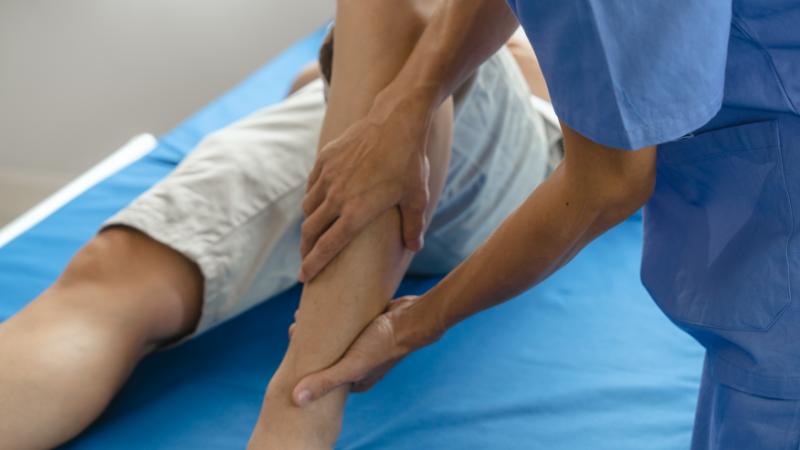
Soft Tissue Injuries After a Car Accident: Recognizing, Treating, and Recovering
Car accidents are unpredictable, and even minor collisions can leave lasting damage to the body. One of the most common outcomes of a crash is soft tissue injuries, which involve damage to muscles, ligaments, tendons, and other connective tissues. While these injuries might not always be visible on X-rays, they can cause significant pain, stiffness, and limited mobility, sometimes for weeks or even months after the accident.
Understanding the causes, symptoms, and early signs of soft tissue injuries is crucial for timely treatment and a faster recovery.
What Are Soft Tissue Injuries?
Soft tissue injuries refer to damage that occurs to the muscles, ligaments, and tendons in the body. Unlike broken bones, these injuries are not always immediately apparent, but they can significantly impact mobility and quality of life.
- Sprains: These occur when ligaments — the tough bands of tissue connecting bones — are stretched or torn. Sprains often affect the ankles, knees, or shoulders.
- Strains: These involve muscles or tendons and usually result from overstretching or overexertion. Common sites include the lower back, hamstrings, and shoulders.
- Contusions (bruises): Direct impact can cause small blood vessels to rupture under the skin, resulting in pain, swelling, and discoloration.
- Whiplash: A rapid back-and-forth motion of the neck, commonly associated with rear-end collisions, which can extend into the upper back and shoulders.
- Other soft tissue damage: This may include tendon inflammation, minor lacerations, or shoulder impingements caused by sudden trauma.
Although soft tissue injuries often heal on their own with proper care, ignoring symptoms can lead to chronic pain and long-term complications.
How Car Accidents Cause Soft Tissue Injuries
Even seemingly minor car accidents can place extraordinary stress on the body. The forces involved in collisions — sudden stops, rapid acceleration, or side impacts — can overstretch muscles, ligaments, and tendons.
Sudden Motion and Whiplash
Whiplash is perhaps the most well-known soft tissue injury from car accidents. During a rear-end collision, the head and neck are thrown forward and backward rapidly, which can strain the neck, shoulder, and upper back muscles. However, the effects don’t stop at the neck. The force of the motion can extend into the lumbar spine, resulting in lower back strains as well.
Direct Trauma
Seatbelts, airbags, dashboards, and doors can all cause localized soft tissue damage. For example:
- Shoulder or chest bruising from a seatbelt
- Knee or leg contusions from dashboard impact
- Arm or wrist injuries from bracing against the steering wheel
Even if the collision seems minor, these impacts can overstretch or tear soft tissue, leading to pain and reduced mobility days after the accident.
Hidden or Delayed Symptoms
One of the tricky aspects of soft tissue injuries is that symptoms can appear hours or even days later. The body often releases adrenaline during a crash, masking pain initially. By the time soreness, stiffness, or swelling appears, the injury may have worsened, making early evaluation critical.
Common Types of Soft Tissue Injuries After Car Accidents
Understanding the different types of soft tissue injuries can help you recognize warning signs and seek care promptly.
Sprains
Sprains occur when ligaments — the tissue connecting bones at a joint — are overstretched or torn.
- Common areas affected after a car accident: shoulders, knees, and ankles
- Symptoms: pain, swelling, bruising, and difficulty moving the joint
- Severity can range from mild (slight stretching) to severe (complete ligament tear)
Strains
Strains involve muscles or tendons being stretched or torn due to sudden force.
- Commonly injured areas: lower back, neck, and hamstrings
- Symptoms: muscle spasms, stiffness, pain with movement, and sometimes swelling
- Untreated strains can lead to chronic muscle weakness or recurring pain
Contusions (Bruises)
Contusions result from blunt force trauma that causes small blood vessels to rupture under the skin.
- Common causes: seatbelt pressure, dashboard impact, or airbags
- Symptoms: discoloration, tenderness, and localized swelling
- Most contusions heal with rest and ice, but severe bruising may require medical attention
Whiplash and Neck Injuries
Whiplash is a type of soft tissue injury that affects the neck and upper back. It occurs when the head is violently whipped backward and forward during a collision.
- Symptoms: neck stiffness, headaches, shoulder pain, and reduced range of motion
- Whiplash can sometimes involve shoulder or upper back muscle strains, making it a multi-region soft tissue injury
Other Soft Tissue Injuries
- Tendon inflammation or impingement: Damage from sudden stretching or impact
- Minor lacerations: Cuts or gashes from broken glass or debris
- Shoulder injuries: Impingement or rotator cuff strains from bracing during impact
Symptoms to Watch For
Soft tissue injuries may present differently depending on the type and location of damage. Common symptoms after a car accident include:
- Localized pain, tenderness, or swelling
- Stiffness or limited range of motion in the affected area
- Muscle spasms or cramping
- Bruising or discoloration
- Tingling, numbness, or weakness if nerves are affected
It’s important to remember that some symptoms may be delayed, appearing hours or days after the accident. Ignoring early signs can allow injuries to worsen, potentially leading to chronic pain or long-term limitations.
Diagnosing Soft Tissue Injuries
Because soft tissue injuries aren’t always visible on X-rays, proper diagnosis often requires a combination of physical examination and specialized testing.
- Physical exam: A doctor will evaluate posture, joint function, and muscle strength. They may test range of motion, flexibility, and reflexes to detect nerve involvement.
- Imaging tests: X-rays, MRIs, and ultrasound can help detect tissue damage, rule out fractures, and assess the extent of ligament or tendon injury.
- Nerve testing: Electromyography (EMG) or nerve conduction studies (NCV) may be used if tingling, numbness, or weakness is present.
Early diagnosis is essential. Clinics like La Clinica, S.C. provide on-site imaging and comprehensive evaluation, enabling patients to receive accurate diagnosis and a tailored treatment plan quickly.
Immediate and Short-Term Treatment
Once a soft tissue injury is identified, early intervention is crucial for reducing pain, limiting further damage, and beginning the recovery process.
Rest and Activity Modification
Immediately after a car accident, it’s important to avoid activities that strain the affected area. Short periods of rest combined with gentle movement, like light walking or stretching as tolerated, can prevent stiffness and promote circulation. Avoid lifting heavy objects or twisting the injured joint, as this can worsen the injury.
Pain Management
Soft tissue injuries often cause inflammation and discomfort. Depending on severity, your doctor may recommend:
- Over-the-counter anti-inflammatory medications, such as ibuprofen
- Prescription-strength pain relievers for more severe discomfort
- Ice therapy to reduce swelling and heat therapy to relax tight muscles
- PEMF therapy: non-invasive painkiller devices like those produced by Sensonica
- Targeted chiropractic adjustments to relieve tension and improve alignment
Physical Therapy and Rehabilitation
Physical therapy is a critical component of recovery. A trained therapist will design a program tailored to your injury, which may include:
- Stretching exercises to restore flexibility and range of motion
- Strengthening exercises targeting affected muscles and surrounding support structures
- Posture and body mechanics training to prevent re-injury
- Functional exercises that mimic daily or work-related movements for safe return to activity
For patients whose jobs involve physical labor, work conditioning programs simulate real-world tasks to ensure a safe return to work while minimizing the risk of re-injury.
Advanced or Specialized Treatments
Severe soft tissue injuries may require additional interventions, including:
- Bracing or supports to stabilize joints and prevent further strain
- Injections to reduce inflammation or alleviate nerve-related pain
- Surgical consultation in rare cases of complete ligament tears or tendon ruptures
La Clinica, S.C. provides a coordinated approach, often combining multiple therapies in one location, which accelerates recovery and makes treatment more convenient for patients.
Long-Term Recovery and Rehabilitation
Recovering from a soft tissue injury isn’t just about reducing pain in the short term — it’s about preventing chronic problems and restoring full function.
Gradual Return to Normal Activities
Returning to daily tasks or work should be gradual and guided by your healthcare provider. Overloading an injured area too soon can delay healing or cause further damage.
Ongoing Physical Therapy
Many patients continue physical therapy for several weeks or months. Long-term programs focus on:
- Maintaining flexibility and strength
- Correcting postural imbalances caused by compensating for the injury
- Retraining muscles and joints to handle stress safely
These steps reduce the risk of chronic pain or recurring injury.
Lifestyle and Preventive Measures
Chronic soft tissue issues can be influenced by daily habits. Patients are encouraged to:
- Practice proper body mechanics when lifting, bending, or twisting
- Incorporate low-impact exercise like swimming or walking to strengthen muscles
- Maintain a healthy weight to reduce strain on joints and ligaments
- Use ergonomic supports at work or home to protect vulnerable areas
By combining professional care with healthy habits, patients can achieve long-term relief and improved quality of life.
Risks of Ignoring Soft Tissue Injuries
Some people assume that soft tissue injuries will heal on their own, especially if pain is mild initially. However, ignoring symptoms can lead to serious consequences:
- Chronic pain: Minor sprains or strains may develop into persistent discomfort if left untreated.
- Limited mobility: Ongoing stiffness and muscle weakness can restrict daily activities and work performance.
- Joint instability: Untreated ligament injuries may lead to recurrent injuries or early joint degeneration.
- Nerve complications: Strains or tears near nerves can cause numbness, tingling, or weakness over time.
Early evaluation and treatment not only promote faster healing but also protect patients from long-term complications and prolonged recovery.
How La Clinica Helps With Soft Tissue Injuries
La Clinica, S.C. specializes in injury care for patients affected by car accidents, offering a multi-disciplinary approach that covers every stage of recovery.
Comprehensive Injury Evaluation
- Experienced physicians and injury specialists perform thorough assessments
- On-site imaging such as X-rays and EMGs/NCVs provide accurate diagnosis
- Early detection of sprains, strains, or tendon injuries allows for prompt intervention
Personalized Treatment Plans
- Individualized rehabilitation programs tailored to the patient’s specific injury and lifestyle
- Combination of chiropractic care, physical therapy, and work conditioning programs
- Coordination of care between specialists ensures all aspects of the injury are addressed
Convenient, Patient-Centered Care
- Bilingual staff make care accessible for diverse communities
- Telehealth appointments available for consultations and follow-ups
- Extended hours and multiple locations across Chicagoland for convenience
- Transportation assistance for qualifying patients ensures consistent care
By offering a full spectrum of services in one location, La Clinica minimizes delays in treatment and maximizes recovery outcomes.
Steps to Take After a Car Accident
- Seek medical attention immediately — even if symptoms seem minor.
- Document your injuries with photographs, medical records, and reports from healthcare providers.
- Follow your treatment plan closely, including physical therapy and home exercises.
- Monitor for delayed symptoms, such as increased pain, swelling, or stiffness.
- Communicate with your healthcare provider about any changes in your condition.
Prompt, professional care not only improves recovery but also helps with insurance claims and legal documentation if the accident was not your fault.
Schedule a Consultation With La Clinica
Soft tissue injuries from car accidents can significantly impact your life if left untreated. Early diagnosis and treatment are essential for a full recovery. La Clinica, S.C. offers expert care, personalized treatment plans, and rehabilitation programs to help patients regain mobility, reduce pain, and prevent long-term complications.


 English
  Spanish