
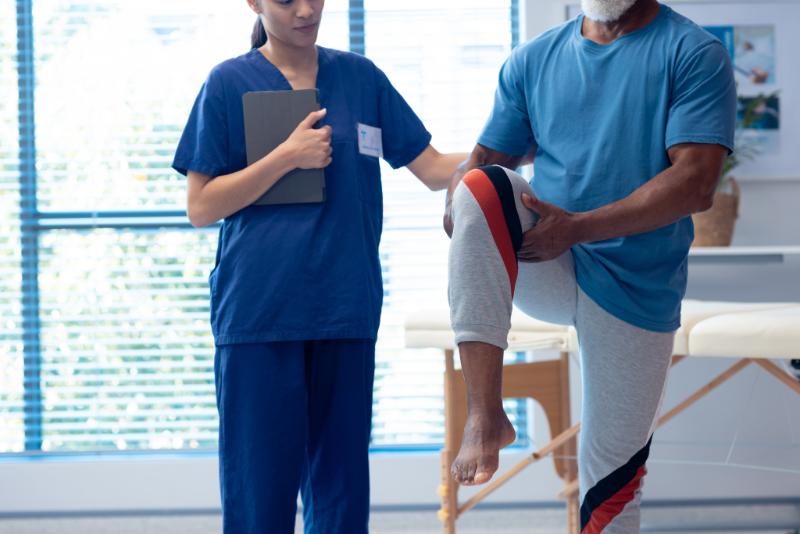
Recovering from a workplace injury involves more than managing pain and allowing injured tissues to heal. Employees must also regain the strength, mobility, endurance, and confidence needed to perform their daily job responsibilities. Returning to work too quickly or without appropriate restrictions can interfere with recovery and increase the risk of reinjury.
Return-to-work programs provide a structured approach to helping injured employees transition back into the workplace. Through medical evaluations, physical rehabilitation, work conditioning, and modified job responsibilities, these programs support a gradual return to regular duties.
Understanding how return-to-work programs work can help employees make informed decisions throughout their recovery and prepare for a safer transition back to work.
What Is a Return-to-Work Program?
A return-to-work (RTW) program is a structured plan designed to help employees resume their occupational responsibilities following an injury or illness.
Rather than expecting employees to immediately return to their previous workload, these programs consider their current physical abilities, medical restrictions, and rehabilitation needs.
An effective return-to-work program typically involves collaboration between the injured employee, employer, treating healthcare providers, and workers’ compensation representatives when applicable.
Depending on the nature of the injury, employees may initially return to work with reduced hours, modified responsibilities, or temporary physical restrictions. As their condition improves, their responsibilities may gradually increase.
The primary goal is to help employees regain their occupational abilities while protecting their health and supporting long-term recovery.
Why Are Return-to-Work Programs Important?
Structured workplace reintegration can provide significant benefits for both injured employees and their employers.
Benefits for Injured Employees
Recovering from a workplace injury can create physical, emotional, and financial challenges. Employees may worry about their ability to perform their jobs, maintain their income, or return to their previous level of independence.
Return-to-work programs may help employees:
-
Reduce the risk of reinjury.
-
Maintain a connection with their workplace.
-
Regain confidence in their physical abilities.
-
Improve strength, mobility, and endurance.
-
Reduce extended periods of inactivity.
-
Maintain greater financial stability.
A gradual return to work also allows employees to apply the movement techniques and injury prevention strategies they learn during rehabilitation.
Benefits for Employers
Employers can benefit from providing recovering employees with appropriate opportunities to remain productive while respecting their medical limitations.
Potential benefits include improved employee retention, reduced operational disruptions, lower replacement and training costs, and improved workplace safety awareness.
Supporting injured employees throughout recovery can also help establish a workplace culture that prioritizes employee health and long-term well-being.
How Does a Return-to-Work Program Work?
Although every workplace injury is different, most return-to-work programs involve several stages that help employees progress from initial injury treatment to regular occupational responsibilities.
Step 1: Medical Evaluation and Injury Assessment

The process begins with a comprehensive medical evaluation to understand the nature and severity of the workplace injury.
An injury care specialist may assess the employee’s symptoms, medical history, range of motion, strength, and functional limitations.
Depending on the injury, diagnostic testing such as X-rays, MRIs, or electrodiagnostic studies may be recommended.
The findings help healthcare providers determine appropriate treatment options and whether temporary work restrictions are necessary.
Step 2: Developing a Personalized Rehabilitation Plan
Once the injury has been evaluated, healthcare providers can develop a rehabilitation plan based on the employee’s individual recovery needs.
Treatment may include physical therapy, therapeutic exercises, chiropractic care when appropriate, and other injury rehabilitation services.
The employee’s occupational responsibilities are also important. A construction worker who regularly lifts heavy materials may require a different rehabilitation approach than an office employee recovering from a repetitive strain injury.
Step 3: Returning to Modified or Light-Duty Work
When medically appropriate, employees may return to the workplace before they have fully recovered.
Modified-duty assignments allow employees to perform tasks that remain within their current physical capabilities.
Temporary restrictions may include:
-
Limits on lifting and carrying.
-
Reduced standing or walking.
-
Restrictions on bending, twisting, or reaching.
-
Shorter work shifts.
-
Additional rest breaks.
-
Avoidance of repetitive movements.
These restrictions should be based on recommendations from the treating healthcare provider.
Step 4: Gradually Increasing Work Responsibilities
As rehabilitation progresses, healthcare providers may reassess the employee’s functional abilities and recommend adjustments to work restrictions.
Employees may gradually increase their working hours, lifting capacity, movement frequency, or other occupational activities.
Regular communication between employees, employers, and healthcare providers helps ensure that changes remain consistent with recovery progress.
Step 5: Transitioning Back to Regular Duties
The final stage involves determining whether the employee can safely resume regular job responsibilities.
Healthcare providers may evaluate strength, mobility, endurance, symptom response, and the ability to perform job-specific movements.
Employees may also receive recommendations for ongoing exercises, proper body mechanics, and workplace injury prevention.
Common Workplace Injuries That May Require a Return-to-Work Program
Many occupational injuries can affect an employee’s ability to perform everyday job responsibilities.
Back and Spinal Injuries
Lower back strains, herniated discs, and other spinal injuries may interfere with lifting, bending, prolonged sitting, and standing.
Rehabilitation may focus on restoring mobility, strengthening supporting muscles, and improving lifting techniques.
Shoulder and Upper Extremity Injuries
Shoulder, elbow, wrist, and hand injuries can make reaching, gripping, carrying, and operating equipment difficult.
Employees may require temporary restrictions on repetitive movements or overhead activities.
Knee, Hip, and Lower Extremity Injuries
Injuries affecting the lower body may limit walking, climbing stairs, kneeling, squatting, and prolonged standing.
Repetitive Strain and Overuse Injuries
Repeated occupational movements can contribute to tendon irritation, muscle strain, and nerve compression. Treatment may involve rehabilitation and adjustments to workplace activities.
Slip and Fall Injuries
Workplace falls can result in sprains, fractures, soft tissue injuries, and other conditions that require individualized rehabilitation before employees resume regular duties.
The Role of Physical Therapy and Work Conditioning in Returning to Work
Physical rehabilitation plays an important role in helping injured employees prepare for the physical demands of their occupations.
While initial treatment may focus on managing symptoms and restoring basic movement, later stages of rehabilitation may emphasize functional performance and occupational readiness.
Restoring Strength, Mobility, and Physical Function
Physical therapy helps address limitations that may develop following a workplace injury.
Depending on the employee’s condition, a rehabilitation program may include strengthening exercises, stretching, balance training, mobility exercises, and functional movement activities.
These treatments can help employees improve their ability to perform everyday movements and prepare for more physically demanding responsibilities.
Preparing Employees for Job-Specific Physical Demands
Work conditioning is a specialized rehabilitation approach that helps injured employees develop the physical abilities required for their occupations.
Unlike general exercise programs, work conditioning incorporates activities that reflect the demands of an employee’s job.
These activities may include:
-
Lifting and carrying objects.
-
Pushing and pulling materials.
-
Reaching and bending.
-
Repetitive occupational movements.
-
Prolonged standing and walking.
-
Handling tools and equipment.
At La Clinica, work conditioning programs use specialized equipment and common materials to simulate movements that employees perform in their workplaces.
Learning Proper Body Mechanics to Prevent Reinjury
Returning to work provides an opportunity to address movement habits that may contribute to workplace injuries.
During rehabilitation, employees may learn proper lifting techniques, safe tool handling, improved posture, and strategies for distributing physical forces more effectively.
These techniques can help employees protect recovering areas of the body and reduce unnecessary physical stress during occupational activities.
Examples of Modified and Light-Duty Work

Modified-duty assignments vary depending on the employee’s occupation, injury, and medical restrictions.
| Occupation | Examples of modified duties |
|---|---|
| Construction workers | Equipment inspections, documentation, and material organization |
| Warehouse workers | Inventory tracking, labeling, and administrative tasks |
| Manufacturing workers | Quality control, equipment monitoring, and lighter assembly tasks |
| Delivery drivers | Dispatch assistance and route planning |
| Office employees | Ergonomic adjustments, shorter shifts, and additional movement breaks |
| Retail employees | Customer assistance and administrative responsibilities |
Modified duties should be meaningful, clearly communicated, and consistent with the employee’s documented medical restrictions.
As recovery progresses, these assignments may be adjusted to introduce additional occupational responsibilities.
How Long Does a Return-to-Work Program Last?
There is no universal timeline for returning to work after an injury. Some employees may resume modified duties relatively quickly, while others may require several weeks or months of treatment and rehabilitation.
Factors that influence recovery timelines include:
-
The type and severity of the injury.
-
The employee’s overall health.
-
Physical demands of the occupation.
-
Progress during physical rehabilitation.
-
Availability of appropriate modified duties.
-
Recommendations from treating healthcare providers.
Employees should focus on meeting functional recovery goals rather than rushing to meet an arbitrary return-to-work date.
Regular medical evaluations can help determine when adjustments to occupational responsibilities are appropriate.
Return-to-Work Programs and Illinois Workers’ Compensation
For employees recovering from occupational injuries in Illinois, return-to-work programs may be part of the workers’ compensation recovery process.
Understanding how medical restrictions, rehabilitation, and employment responsibilities interact can help employees navigate this transition.
Understanding Medical Work Restrictions
Medical work restrictions establish temporary limitations based on an employee’s injury and functional abilities.
Employees should provide their employer with updated work restrictions and communicate any difficulties they experience while performing assigned responsibilities.
If an assigned task exceeds these restrictions, employees should discuss the situation with their employer and treating healthcare provider.
Returning to Work While Receiving Workers’ Compensation
Returning to work does not necessarily mean that all workers’ compensation benefits will end.
According to the Illinois Workers’ Compensation Commission, employees who return to modified duties while recovering from a workplace injury may qualify for temporary partial disability (TPD) benefits if their injury-related restrictions result in reduced earnings.
Eligibility depends on the circumstances of the individual claim.
Communication Between Employees, Employers, and Healthcare Providers
Effective communication helps everyone involved understand the employee’s recovery progress, medical restrictions, and occupational capabilities.
Employees should maintain copies of medical documentation, attend scheduled appointments, and notify their healthcare providers of changes in symptoms or physical abilities.
Common Mistakes to Avoid When Returning to Work After an Injury
Returning to work is an important recovery milestone. However, certain mistakes can interfere with rehabilitation and contribute to additional injuries.
Common mistakes include:
-
Returning to full-duty responsibilities before receiving medical clearance.
-
Ignoring worsening pain, swelling, numbness, or weakness.
-
Lifting objects that exceed medical restrictions.
-
Discontinuing prescribed physical rehabilitation prematurely.
-
Using improper lifting and movement techniques.
-
Failing to communicate concerns about assigned duties.
-
Increasing physical activity too quickly.
Employees experiencing new or worsening symptoms should contact their treating healthcare provider for further evaluation. Recovery plans may need to be adjusted as physical demands increase.
How La Clinica Helps Injured Workers Return to Work

At La Clinica, we understand that recovering from a workplace injury involves both physical healing and preparation for everyday occupational responsibilities.
Our network of injury care specialists provides comprehensive services designed to support employees throughout their recovery.
Comprehensive Workplace Injury Care
Our healthcare providers evaluate workplace injuries and develop individualized treatment plans based on each patient’s condition and recovery goals.
Available services include physician consultations, diagnostic testing, physical rehabilitation, chiropractic treatment, and work conditioning.
Personalized Work Conditioning Programs
Our work conditioning programs help injured employees prepare for the physical demands of their occupations through simulated workplace activities, functional exercises, and proper body mechanics training.
Treatment is individualized to address each patient’s physical limitations and occupational requirements.
Accessible Injury Care Across the Chicago Area
La Clinica’s network of injury care clinics serves patients throughout Chicago and surrounding Illinois communities.
Our bilingual staff, extended hours, and transportation assistance for qualified patients help make injury treatment and rehabilitation more accessible.
If you have suffered a workplace injury and need assistance preparing to return to work, contact La Clinica today to schedule a free consultation.
Frequently Asked Questions About Return-to-Work Programs
What is the purpose of a return-to-work program?
A return-to-work program helps injured employees gradually resume occupational responsibilities through structured rehabilitation, medical guidance, and appropriate workplace modifications. Its primary purpose is to support recovery while reducing the risk of reinjury.
Can I return to work before my injury has fully healed?
Yes, some employees can return to modified duties before achieving a full recovery. However, this should only occur when medically appropriate and when assigned responsibilities comply with the restrictions established by their treating healthcare provider.
What is the difference between light-duty work and regular-duty work?
Light-duty work involves temporary modifications to an employee’s occupational responsibilities to accommodate physical limitations. Regular-duty work involves performing the usual responsibilities of the employee’s position without temporary injury-related modifications.
What is the difference between physical therapy and work conditioning?
Physical therapy focuses on restoring movement, strength, and overall physical function following an injury. Work conditioning builds upon these improvements by incorporating functional activities that reflect the physical demands of an employee’s occupation.
Can I continue physical therapy after returning to work?
Yes. Employees may continue receiving physical therapy while performing modified or regular duties, depending on their treatment plan. Ongoing rehabilitation can help address remaining physical limitations and support continued recovery.
What happens if my injury symptoms worsen after returning to work?
If symptoms worsen, employees should stop activities that aggravate their condition and contact their treating healthcare provider. Additional evaluation, treatment adjustments, or updated work restrictions may be necessary.
Who determines when I am medically ready to return to work?
The treating healthcare provider evaluates an employee’s medical condition, functional abilities, and occupational demands to determine appropriate work restrictions and medical readiness. Employers then assess whether available assignments can accommodate those restrictions.