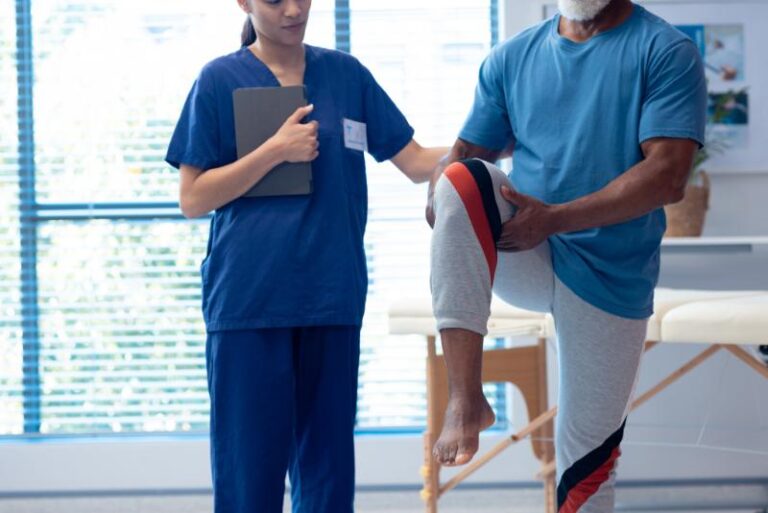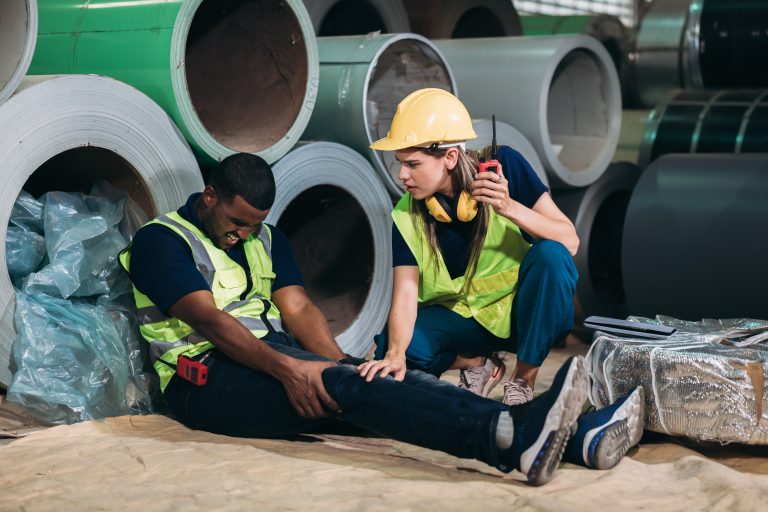

Workers’ compensation rehab helps injured employees restore mobility, rebuild strength, manage pain, and prepare for a safe return to work. Depending on the nature and severity of the injury, rehabilitation may involve physical therapy, chiropractic care, diagnostic testing, and specialized work conditioning programs.
At La Clinica, our network of injury care specialists provides comprehensive treatment and personalized rehabilitation programs to help injured workers throughout Chicago and the surrounding Illinois communities achieve their recovery goals.
What Is Workers’ Compensation Rehab?
Workers’ compensation rehabilitation is a structured approach to treating work-related injuries and helping employees regain the physical abilities necessary to perform their daily activities and occupational responsibilities.
Unlike treatment that focuses primarily on relieving pain, rehabilitation addresses the functional limitations caused by an injury. This may include reduced range of motion, muscle weakness, joint stiffness, impaired balance, and difficulty performing specific movements.
Workers’ compensation rehabilitation programs may focus on:
-
Managing pain and inflammation.
-
Restoring joint mobility and flexibility.
-
Rebuilding muscle strength and endurance.
-
Improving balance and coordination.
-
Correcting improper movement patterns.
-
Preparing employees to return to their job duties.
-
Reducing the risk of future workplace injuries.
Treatment recommendations depend on the patient’s medical condition, physical limitations, occupational responsibilities, and individual recovery goals.
Common Workplace Injuries That Require Rehabilitation

Employees across many industries can experience injuries that require ongoing medical treatment and physical rehabilitation.
Slip and Fall Injuries
Slippery floors, uneven surfaces, loose materials, and workplace obstacles can cause falls resulting in fractures, sprains, ligament injuries, and joint damage.
Rehabilitating a slip and fall injury at work may involve restoring mobility, strengthening affected muscles, improving balance, and gradually increasing tolerance for physical activity.
Lifting and Overexertion Injuries
Repeated lifting, carrying heavy objects, and performing physically demanding tasks can place significant stress on the muscles, joints, and spine.
Common injuries include lower back strains, herniated discs, shoulder injuries, and muscle tears. Rehabilitation can help employees regain functional strength and learn safer lifting techniques.
Repetitive Motion Injuries
Performing the same movements throughout the workday can gradually contribute to conditions such as carpal tunnel syndrome, tendonitis, and other overuse injuries.
Treatment may involve therapeutic exercises, activity modifications, stretching, and ergonomic recommendations.
Equipment and Workplace Accident Injuries
Accidents involving machinery, falling objects, or workplace vehicles can result in complex orthopedic injuries. Some employees may require surgery followed by an extended rehabilitation program to restore physical function.
What Does Workers’ Compensation Rehabilitation Cover?
Workers’ compensation may cover reasonable and medically necessary rehabilitation services related to a compensable workplace injury. The specific services covered depend on the circumstances of the injury, medical recommendations, and applicable workers’ compensation requirements.
Medical Evaluations and Diagnostic Testing
A comprehensive medical evaluation helps identify the underlying injury and determine an appropriate course of treatment.
Diagnostic testing may include X-rays, magnetic resonance imaging (MRI), electromyography (EMG), and nerve conduction studies when medically indicated.
These tests can help physicians evaluate bone injuries, soft tissue damage, spinal conditions, and nerve-related problems.
Physical Therapy and Rehabilitation
Physical rehabilitation helps injured employees improve mobility, strength, flexibility, and physical function through supervised treatment and therapeutic exercises.
Programs are designed around each patient’s condition and may be adjusted as recovery progresses.
Work Conditioning Programs
Work conditioning focuses on rebuilding the physical capabilities required to perform occupational tasks. These programs may incorporate lifting, carrying, pushing, pulling, and other activities that reflect an employee’s workplace responsibilities.
Post-Surgical Rehabilitation
Employees who require surgery following a workplace accident may benefit from post-surgical rehabilitation to restore movement, rebuild strength, and gradually resume physical activities according to their surgeon’s recommendations.
How the Workers’ Compensation Rehabilitation Process Works

Understanding what to expect during rehabilitation can help injured employees feel more prepared and actively participate in their recovery.
Step 1: Reporting Your Workplace Injury
Notify your employer as soon as possible after suffering a workplace injury. In Illinois, employees generally have 45 days to notify their employer of an accidental work-related injury. Prompt reporting can help prevent unnecessary delays in the claims process.
Step 2: Receiving a Comprehensive Injury Evaluation
An injury care specialist evaluates your symptoms, medical history, physical limitations, and the circumstances surrounding your injury. Additional diagnostic testing may be recommended to determine the extent of the damage.
Step 3: Developing a Personalized Rehabilitation Plan
Your medical provider develops a treatment plan based on your diagnosis, occupational requirements, and recovery goals. Treatment may involve multiple rehabilitation services depending on your needs.
Step 4: Participating in Rehabilitation Sessions
Regular rehabilitation sessions help you gradually restore physical function. Following your provider’s recommendations, attending appointments, and completing prescribed home exercises can support your recovery.
Step 5: Monitoring Recovery and Functional Progress
Throughout treatment, your medical team evaluates improvements in strength, mobility, pain levels, and functional abilities. Your rehabilitation plan may be modified based on your progress.
Step 6: Preparing for a Safe Return to Work
As your condition improves, your healthcare provider evaluates your readiness to resume occupational activities. Temporary work restrictions or modified duties may be recommended before returning to your regular responsibilities.
Types of Treatment Used in Workers’ Compensation Rehab

A comprehensive rehabilitation program may combine several treatment methods to address different aspects of a workplace injury.
Therapeutic Exercises
Targeted exercises help strengthen weakened muscles, improve joint stability, restore flexibility, and rebuild physical endurance.
Manual Therapy
Manual therapy involves hands-on techniques that may help improve joint mobility, reduce muscle tension, and address movement restrictions.
Chiropractic Care
Chiropractic treatment may be appropriate for certain workplace injuries involving the spine, muscles, and joints. Treatment recommendations depend on the patient’s diagnosis and medical evaluation.
Functional Rehabilitation
Functional rehabilitation focuses on restoring the ability to perform practical movements such as bending, walking, reaching, climbing stairs, and lifting objects.
Work Conditioning
Work conditioning incorporates progressive physical activities that prepare injured employees for the specific demands of their occupations.
How Long Does Workers’ Compensation Rehabilitation Take?
The duration of workers’ compensation rehabilitation varies considerably between patients. While some minor injuries may improve within several weeks, more complex injuries may require several months of treatment.
Factors that influence rehabilitation timelines include:
-
The type and severity of the injury.
-
Whether surgical intervention was necessary.
-
The patient’s overall health and medical history.
-
The physical demands of the patient’s occupation.
-
Consistency with rehabilitation appointments.
-
Individual response to treatment.
Returning to work prematurely may aggravate an existing injury. Your healthcare provider can help determine when you are medically ready to resume specific activities or return to your regular job duties.
The Role of Work Conditioning in Returning to Work
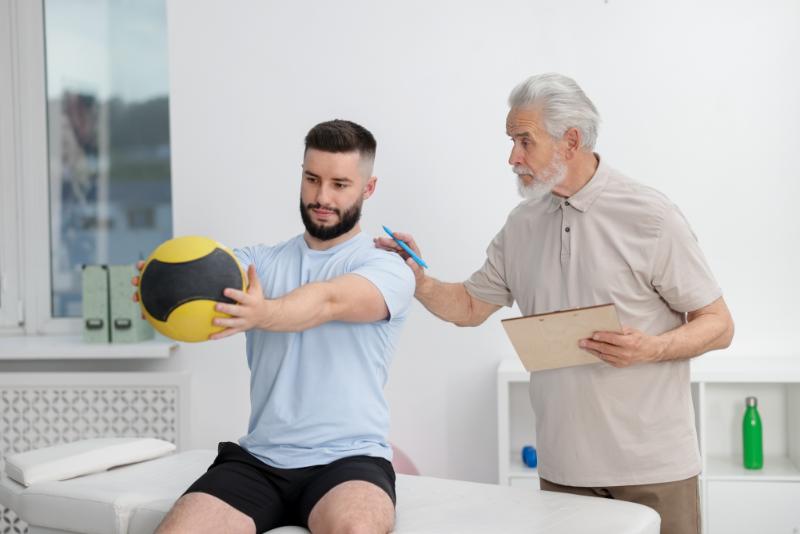
Work conditioning bridges the gap between traditional physical rehabilitation and the physical demands of employment. It can be particularly beneficial for employees working in construction, manufacturing, warehousing, transportation, healthcare, and other physically demanding industries.
Simulating Real Workplace Activities
Work conditioning programs may incorporate equipment and materials that replicate common occupational movements, including lifting, carrying, pushing, pulling, and using tools.
Rebuilding Occupational Strength and Endurance
An employee may recover enough to perform everyday activities but still lack the strength or endurance required for an entire work shift. Work conditioning gradually builds tolerance for sustained physical activity.
Learning Proper Body Mechanics
Learning safer lifting techniques, appropriate posture, and efficient movement patterns can help reduce unnecessary physical strain.
At La Clinica, our specialized work conditioning programs utilize equipment and common workplace materials to help patients prepare for the physical responsibilities of their occupations.
Understanding Your Workers’ Compensation Rehabilitation Rights in Illinois
Under the Illinois Workers’ Compensation Act, employers are generally responsible for reasonable and necessary medical treatment related to compensable workplace injuries. This may include physical therapy, chiropractic treatment, diagnostic services, surgery, and rehabilitation.
Injured employees generally have the right to select medical providers within the limitations established by Illinois law. However, additional requirements may apply if an employer has an approved Preferred Provider Program (PPP).
Insurance carriers and employers may also review the medical necessity of recommended rehabilitation services. Maintaining accurate medical documentation and following your treating physician’s recommendations are important throughout the recovery process.
Employees experiencing difficulties with treatment coverage, disputed claims, or provider selection can consult the Illinois Workers’ Compensation Commission or seek guidance from a qualified workers’ compensation attorney.
Why Choose La Clinica for Workers’ Compensation Rehabilitation?
Since 2005, La Clinica has helped injured patients throughout Chicagoland access comprehensive medical treatment and rehabilitation services.
Our approach focuses on addressing each patient’s unique medical needs while supporting their functional recovery and return to work.
A Comprehensive Network of Injury Care Specialists
Our network provides access to physicians specializing in injury care, physical rehabilitation services, chiropractic treatment, and pain management.
Advanced Diagnostic Capabilities
Access to diagnostic services, including X-rays, MRIs, EMGs, and nerve conduction studies, helps our medical providers develop informed treatment recommendations.
Specialized Work Conditioning Facilities
Our work conditioning programs help injured employees rebuild occupational strength, improve endurance, and develop safer movement patterns.
Bilingual Staff and Patient Support
Our knowledgeable, bilingual staff helps patients navigate the treatment process and manage the paperwork associated with workplace injury claims.
Convenient Locations Across Chicagoland
Our network of injury care clinics serves patients throughout Chicago, Cicero, Aurora, Waukegan, Melrose Park, Blue Island, and Elgin. Transportation assistance is also available for qualified patients.
Frequently Asked Questions About Workers’ Compensation Rehab
Does Workers’ Compensation Pay for Physical Therapy?
Illinois workers’ compensation generally covers medically necessary physical therapy for compensable workplace injuries. Coverage depends on the circumstances of the claim and applicable medical requirements.
Can I Choose My Own Workers’ Compensation Rehabilitation Provider in Illinois?
Illinois employees generally have a choice of medical providers, subject to certain limitations. Employer-approved Preferred Provider Programs may affect your available options.
When Should I Start Rehabilitation After a Workplace Injury?
You should seek medical attention promptly following a workplace injury. Your treating physician can determine when rehabilitation is appropriate based on your diagnosis and physical condition.
Can I Attend Physical Therapy While Working on Modified Duty?
Yes. Depending on your medical condition and work restrictions, you may be able to participate in rehabilitation while performing modified job duties.
What Happens if My Workplace Injury Does Not Improve With Rehabilitation?
Your medical provider may recommend additional diagnostic testing, further treatment, specialist consultations, or adjustments to your rehabilitation program to address persistent symptoms.
Start Your Workers’ Compensation Rehabilitation at La Clinica
Recovering from a workplace injury requires appropriate medical attention, personalized treatment, and ongoing support. At La Clinica, our network of injury care specialists helps injured employees work toward restoring their physical abilities and returning to work safely.
Contact La Clinica today to schedule your free consultation and learn more about our workers’ compensation rehabilitation services throughout Chicago and the surrounding Illinois communities.