
Hip Pain Relief & Treatment
Your hips support your body through almost every movement, from walking and climbing stairs to bending, lifting, and getting out of a chair. When your hip hurts, even everyday activities can become uncomfortable.
Hip pain can develop suddenly after a fall, workplace injury, or car accident. It can also appear gradually from repetitive movements, muscle strains, arthritis, or conditions affecting the hip joint and surrounding tissues. You may feel a deep ache in your groin, discomfort along the outside of your hip, or pain that extends into your thigh or buttocks.
At La Clínica SC, we help patients throughout Chicago and the surrounding suburbs understand what’s causing their hip pain and explore treatment options. Our multidisciplinary approach brings together medical evaluation, orthopedic care, pain management, and physical therapy based on each patient’s needs.
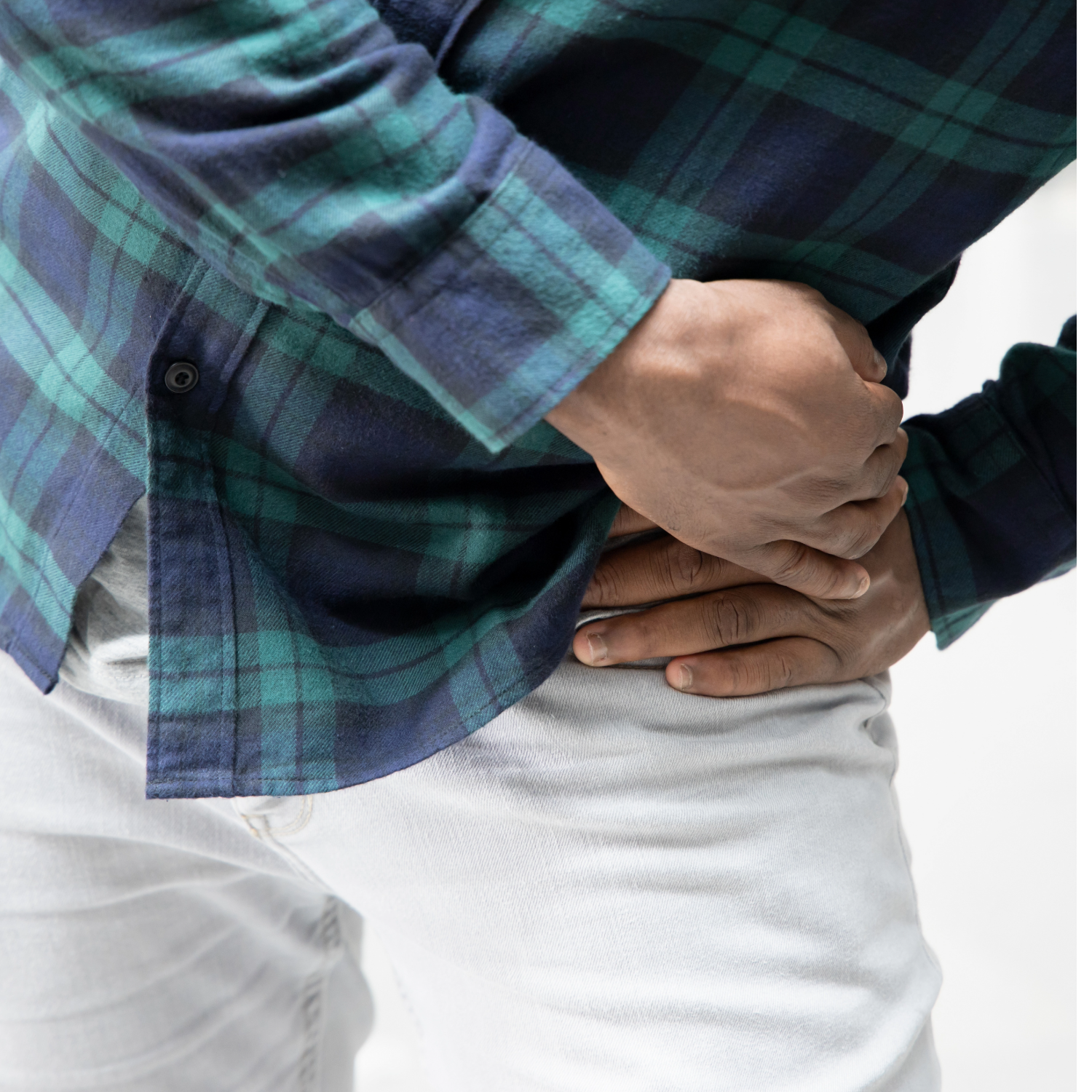
Common Hip Injuries and Conditions
Understanding the underlying cause is important because different hip conditions require different approaches to treatment.
1. Hip Strains
Hip strains occur when muscles or tendons surrounding the hip are overstretched or torn. They may result from heavy lifting, sudden twisting movements, sports activities, or physically demanding work.
Symptoms can include tenderness, muscle weakness, stiffness, and pain when moving the affected leg. More significant strains may make walking or climbing stairs difficult.
2. Hip Bursitis and Greater Trochanteric Pain Syndrome
Pain along the outside of the hip is sometimes related to irritation of the fluid-filled bursae that cushion nearby tissues or problems involving the gluteal tendons. These conditions are often grouped under greater trochanteric pain syndrome.
Discomfort may become more noticeable when lying on the affected side, climbing stairs, standing for long periods, or walking.
3.Hip Osteoarthritis
Hip osteoarthritis develops when the cartilage cushioning the hip joint gradually changes and wears down. This can cause pain, stiffness, and difficulty moving the joint comfortably.
Many people notice discomfort in the groin or thigh, particularly after sitting for an extended period or during activities such as walking and climbing stairs.
4. Hip Labral Tears
The labrum is a ring of cartilage that helps support and stabilize the hip joint. A labral tear can develop following an injury or from repetitive movements that place stress on the hip.
Symptoms may include groin or hip pain, stiffness, and sensations of clicking, catching, or locking during movement. These symptoms can have other causes, so an examination is necessary.
5. Hip Fractures
A hip fracture occurs when the upper portion of the thighbone breaks. Fractures may result from falls, significant impacts, or vehicle accidents. Older adults and people with weakened bones may be at greater risk.
Hip fractures are serious injuries requiring urgent medical evaluation, and treatment frequently involves surgery followed by rehabilitation.
Medical Evaluation
Your provider may examine how your hip moves, whether certain positions cause pain, and how comfortably you can walk or place weight on your leg.
Orthopedic care may be appropriate for joint injuries, arthritis, labral problems, or other musculoskeletal conditions. Depending on your diagnosis, your provider may recommend additional imaging, activity modifications, or specialized treatment.
Pain Management
Persistent hip pain can make it difficult to walk, sleep, work, or remain active throughout the day.
Pain management focuses on identifying the source of discomfort and selecting appropriate treatments. Depending on the diagnosis, options may include medication, activity modifications, or certain medical procedures, such as injections when clinically appropriate.
Your provider will consider your symptoms, medical history, and response to previous treatments before recommending an approach.
Physical Therapy and Rehabilitation
Physical therapy may help improve hip movement, muscle strength, balance, and everyday function.
Depending on your condition, rehabilitation may include:
- Exercises to improve hip flexibility and range of motion.
- Strengthening exercises for the hip, gluteal, and surrounding muscles.
- Movement and walking exercises to improve stability.
- Guidance on reducing stress on painful joints and tissues.
- Gradual progression toward work and normal daily activities.
The exercises and pace of rehabilitation depend on your diagnosis. Some injuries require a period of protection or medical treatment before rehabilitation can begin.
FAQ About Hip Pain
An injury may affect the muscles, bones, joints, or surrounding tissues. Some people experience immediate pain, while others notice stiffness or discomfort as they resume regular activities.
At La Clínica SC, understanding how the injury happened and how it affects your ability to move, walk, and work helps guide your treatment plan.
Hip pain can feel different depending on which structures are affected.
Some people experience sharp pain during certain movements, while others notice a dull ache that becomes more noticeable after walking, sitting, or standing for extended periods.
Common symptoms include:
- Pain in the groin, outer hip, thigh, or buttocks.
- Stiffness after sitting or resting.
- Discomfort when walking or climbing stairs.
- Pain when bending, squatting, or lifting.
- Difficulty lying on the affected side.
- Weakness or reduced movement in the hip.
- Clicking, catching, or locking sensations.
- Pain that extends toward the knee or lower back.
Symptoms can help identify possible causes, but an examination is needed to determine where the pain originates.
Yes. Where you feel the pain can provide useful information about which structures may be involved.
Pain in the front of the hip or groin: May be associated with hip joint conditions, including arthritis, labral injuries, or hip flexor problems.
Pain on the outside of the hip: Can occur with greater trochanteric pain syndrome, gluteal tendon problems, or irritation of nearby tissues.
Pain in the buttocks or back of the hip: May involve surrounding muscles or originate from the lower back or sacroiliac region.
Pain extending into the thigh or knee: Can sometimes be referred from the hip joint, although other conditions may produce similar symptoms.
Because several conditions can cause pain in overlapping areas, the location of discomfort is only one part of the diagnosis.
Diagnosing hip pain begins with understanding your symptoms, how they developed, and how they affect your daily routine.
During your appointment, your provider may ask:
- Did your hip pain begin after an accident or develop gradually?
- Where do you feel the pain most?
- Does walking, standing, sitting, or climbing stairs make it worse?
- Do you experience stiffness, clicking, or difficulty moving your leg?
- Have you experienced a fall or workplace injury?
- Does your pain interfere with sleep or daily activities?
The physical examination may include evaluating hip movement, tenderness, muscle strength, balance, and walking patterns.
Your provider may also examine your lower back or surrounding areas when symptoms suggest that the pain may be coming from somewhere other than the hip joint.
Imaging and Additional Testing
X-rays may be recommended when your provider suspects arthritis, a fracture, or another bone-related condition.
However, X-rays do not show every muscle, tendon, cartilage, or ligament injury. An MRI or other testing may be appropriate depending on your symptoms and examination findings.
The goal is to identify the cause of your hip pain so that treatment can address the affected structures rather than focusing only on the symptoms.
Consider having your hip evaluated if pain persists, repeatedly returns, or interferes with walking, sleeping, working, or everyday movement.
Hip pain following a fall, workplace accident, or car collision may need earlier attention, particularly if you experience significant swelling, weakness, or difficulty placing weight on your leg.
Yes. Workplace falls, sudden lifting injuries, and repetitive physical activities can contribute to certain hip injuries and conditions.
However, hip pain may also result from arthritis, existing joint problems, or conditions affecting nearby structures. An evaluation can help determine the likely cause and appropriate treatment.
Yes. Some conditions affecting the lower back can cause pain that extends into the buttocks, hips, or legs.
Because hip joint problems and lower back conditions can produce similar symptoms, your provider may examine both areas to determine where the pain originates.
Not everyone with hip pain needs physical therapy.
Physical therapy may help improve flexibility, strength, balance, and movement in patients with certain hip injuries or conditions. Other patients may need medical treatment, orthopedic evaluation, or a period of reduced activity before beginning rehabilitation.
Recovery depends on the type and severity of the injury.
Mild muscle strains may improve over several weeks, while more significant tendon injuries, fractures, or joint conditions can require a longer recovery period.
Chronic conditions such as hip osteoarthritis may require ongoing management rather than a single recovery period.
Some minor hip injuries and temporary muscle irritation improve with rest and activity modifications.
However, persistent or worsening symptoms may indicate arthritis, tendon problems, joint injuries, or other conditions requiring medical evaluation.
If pain continues or limits your normal movement, identifying the underlying cause can help prevent delays in appropriate treatment.
Common Symptoms of Hip Pain
Hip pain can feel different depending on the underlying injury or condition. Some people experience sharp pain during movement, while others notice a dull ache, stiffness, or discomfort that gradually worsens.
Common symptoms include:
-
Hip or groin pain: Aching or sharp discomfort in the front, side, or back of the hip.
-
Joint stiffness: Difficulty moving the hip, especially after sitting or resting.
-
Pain when walking: Discomfort while walking, climbing stairs, or standing for long periods.
-
Reduced range of motion: Difficulty bending, rotating, or moving the leg comfortably.
-
Muscle weakness: Feeling less stable when standing, walking, or putting weight on one leg.
-
Pain when lying down: Discomfort when sleeping on the affected side.
-
Clicking or catching: A clicking, popping, or catching sensation during hip movement.
-
Radiating pain: Discomfort that spreads into the thigh, buttocks, or knee.
When to seek medical attention: If hip pain continues, worsens, or interferes with everyday activities, consider scheduling an evaluation. Severe pain after an injury or an inability to bear weight requires urgent medical attention.
Hip Pain From Workplace Injuries
Your hips play an important role in lifting, standing, walking, and maintaining balance. Jobs involving physically demanding movements can place repeated stress on the hip joint and surrounding muscles.
Some workplace hip injuries occur suddenly after a fall, slip, or impact. Others may develop gradually from repetitive lifting, frequent bending, or prolonged physical activity.
Work activities that may contribute to hip pain include:
- Construction work: Heavy lifting, climbing, carrying materials, and working in awkward positions.
- Warehouse and manufacturing jobs: Repeated lifting, squatting, pushing, and moving heavy objects.
- Healthcare and caregiving: Assisting patients, transferring individuals, and performing physically demanding movements.
- Delivery and transportation work: Repeatedly entering and exiting vehicles, lifting packages, or spending extended periods sitting.
- Cleaning and maintenance: Frequent bending, squatting, climbing stairs, and repetitive physical tasks.
Work-related hip pain may affect your ability to stand for long periods, lift objects, climb stairs, or move comfortably during a shift.
At La Clínica SC, we evaluate work-related hip injuries and discuss treatment options based on the type of injury, your symptoms, and the physical demands of your job.
Your plan may include orthopedic care, pain management, physical therapy, or temporary changes to certain activities while you recover.
Steps to Treating Your Hip Pain
1. Get Your Hip Evaluated
Your provider will review your symptoms, medical history, and any recent injuries. The examination may include checking hip movement, tenderness, strength, walking patterns, and the movements that reproduce your pain.
Mention any workplace accident, fall, car collision, or repeated activity that may be contributing to your symptoms.
2. Identify the Cause of Your Pain
Hip pain can involve the joint itself or surrounding muscles, tendons, and other structures. Sometimes discomfort felt near the hip originates from the lower back.
Your provider may recommend imaging or additional testing when necessary to help determine the cause.
3. Start Your Treatment Plan
Your treatment will depend on your diagnosis and how much your symptoms affect your mobility.
Your provider may recommend activity changes, pain management, orthopedic care, physical therapy, or other appropriate treatment. You will also receive guidance about activities that may need to be limited during recovery.
4. Rebuild Movement and Strength
As your condition improves, rehabilitation may help you regain hip flexibility, strength, stability, and confidence with movement.
Your providers will monitor your progress and adjust your treatment plan based on your recovery and the activities you need to return to.
Get Hip Pain Treatment in Chicago
Hip pain can affect more than your ability to walk. It can make working, driving, sleeping, and everyday activities increasingly difficult.
At La Clínica SC, we evaluate and treat a variety of musculoskeletal injuries and conditions through medical care, orthopedic services, pain management, and rehabilitation.
Whether your pain began after a workplace accident, developed gradually, or has been interfering with your daily activities for some time, our team can help identify possible causes and discuss treatment options.
With locations throughout Chicago and the surrounding suburbs, La Clínica SC provides access to multidisciplinary injury care.
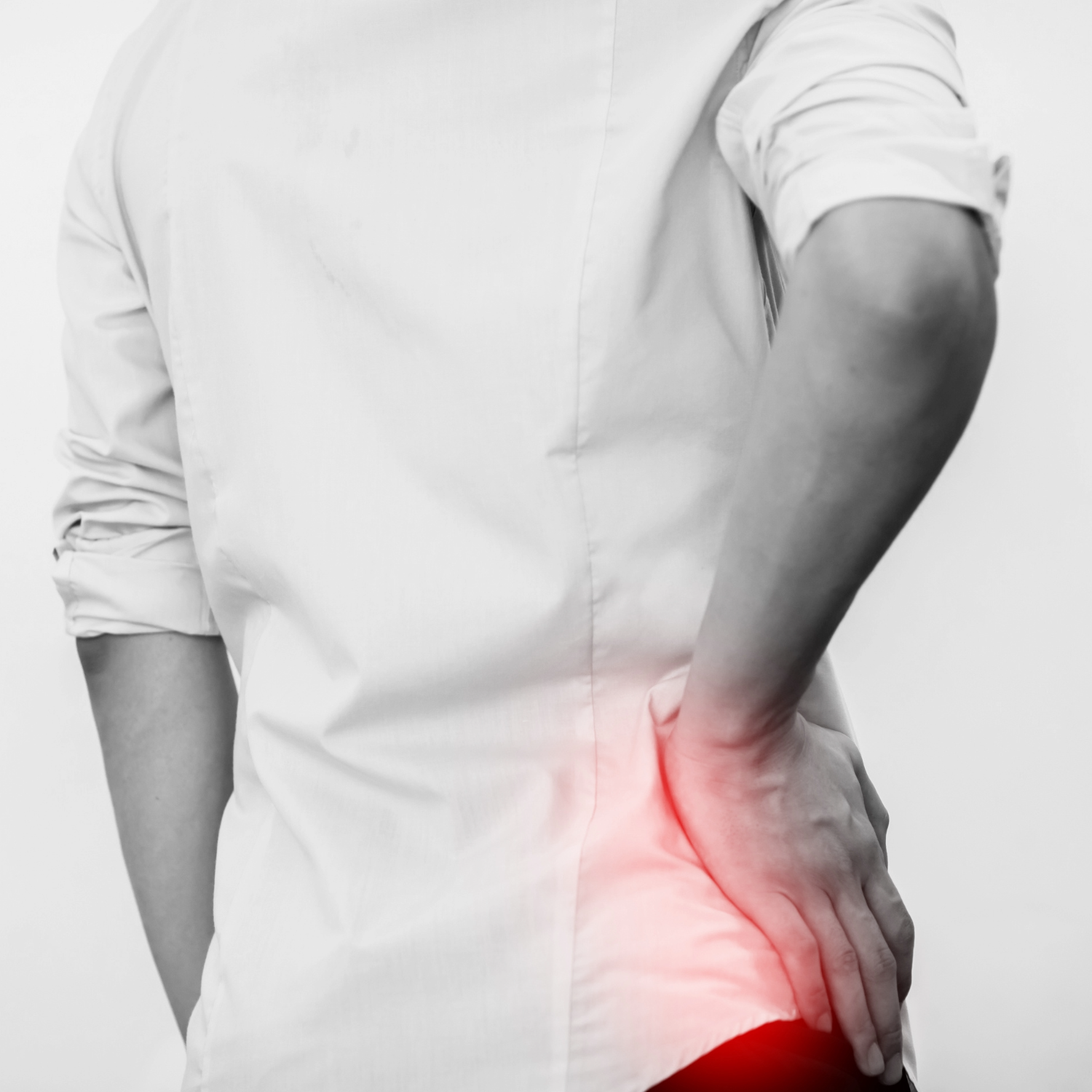
Do you have further questions? Call (773) 763-2800 or use the form on this page to book your appointment today.
Book Your Free Hip Treatment Consultation
3617 Morsay Dr,
Rockford, IL 61107
 English
 Spanish