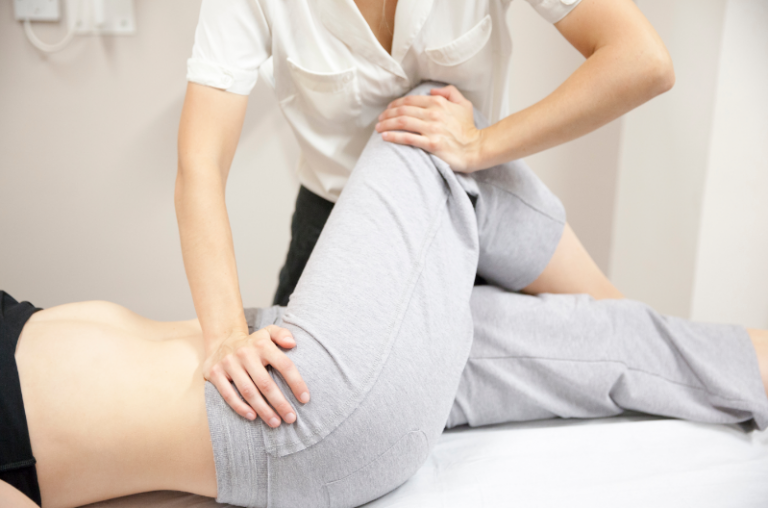
Hip Pain Relief & Treatment
Understanding and treating hip pain
Your hips support your body through almost every movement, from walking and climbing stairs to bending, lifting, and getting out of a chair. When your hip hurts, even everyday activities can become uncomfortable.
Hip pain can develop suddenly after a fall, workplace injury, or car accident. It can also appear gradually from repetitive movements, muscle strains, arthritis, or conditions affecting the hip joint and surrounding tissues. You may feel a deep ache in your groin, discomfort along the outside of your hip, or pain that extends into your thigh or buttocks.
At La Clínica SC, we help patients throughout Chicago and the surrounding suburbs understand what’s causing their hip pain and explore treatment options. Our multidisciplinary approach brings together medical evaluation, orthopedic care, pain management, and physical therapy based on each patient’s needs.
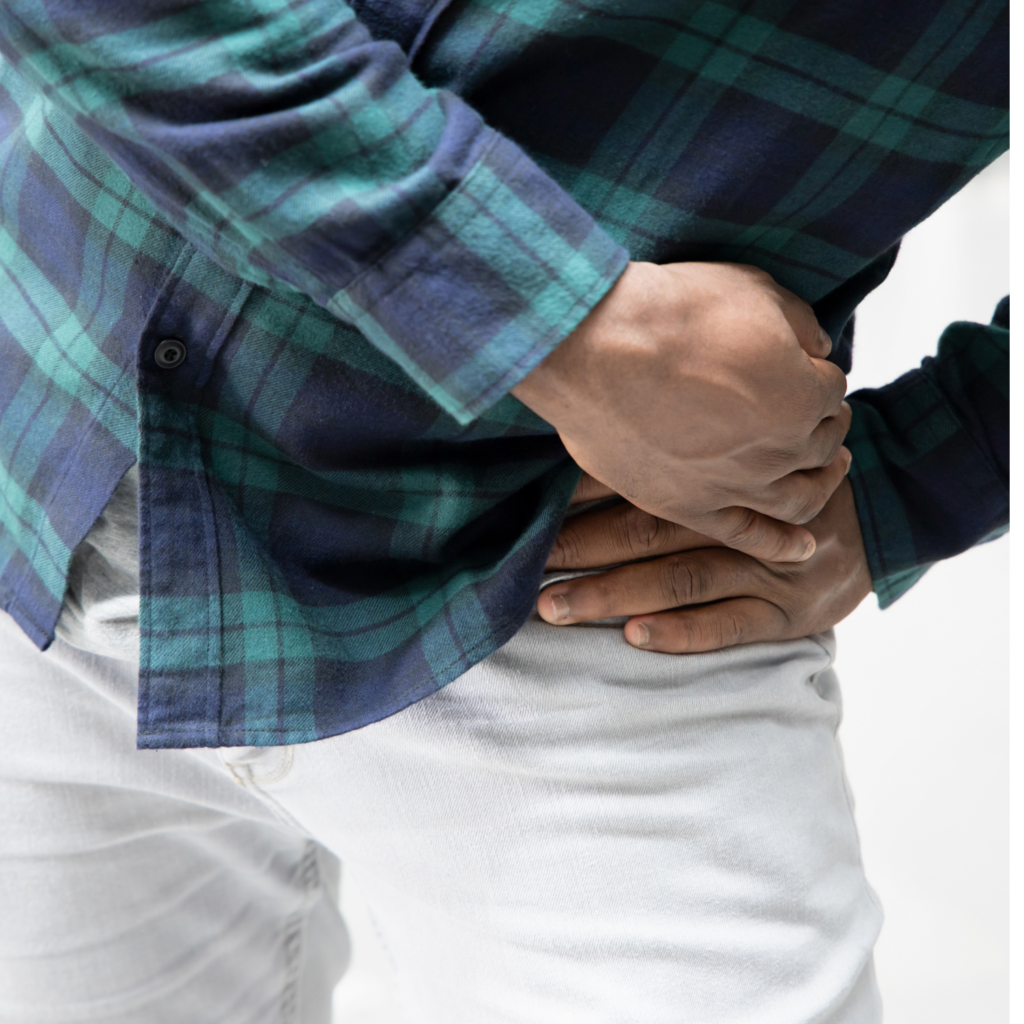
We can help with your hip pain
Common Hip Injuries and Conditions
Hip pain can involve the bones, joints, muscles, tendons, or other tissues surrounding the hip. Some conditions develop gradually, while others result from a sudden injury or impact. Understanding the underlying cause is important because different hip conditions require different approaches to treatment.
Hip Strains
Hip strains occur when muscles or tendons surrounding the hip are overstretched or torn. They may result from heavy lifting, sudden twisting movements, sports activities, or physically demanding work.
Hip Bursitis
Pain along the outside of the hip is sometimes related to irritation of the fluid-filled bursae that cushion nearby tissues or problems involving the gluteal tendons. These conditions are often grouped under greater trochanteric pain syndrome.
Hip Osteoarthritis
Hip osteoarthritis develops when the cartilage cushioning the hip joint gradually changes and wears down. This can cause pain, stiffness, and difficulty moving the joint comfortably.
Hip Labral Tears
The labrum is a ring of cartilage that helps support and stabilize the hip joint. A labral tear can develop following an injury or from repetitive movements that place stress on the hip.
Fracturas de cadera
A hip fracture occurs when the upper portion of the thighbone breaks. Fractures may result from falls, significant impacts, or vehicle accidents. Older adults and people with weakened bones may be at greater risk.
Hip Tendonitis
Hip tendonitis occurs when tendons surrounding the hip become irritated or inflamed, often due to repetitive movements, overuse, or increased physical activity. It can affect the muscles responsible for supporting and moving the hip joint.
Get a Hip Evaluation
No ignores los síntomas nuevos o que empeoran.
Fisioterapia y Rehabilitación
Physical therapy may help improve hip movement, muscle strength, balance, and everyday function.
Depending on your condition, rehabilitation may include:
- Exercises to improve hip flexibility and range of motion.
- Strengthening exercises for the hip, gluteal, and surrounding muscles.
- Movement and walking exercises to improve stability.
- Guidance on reducing stress on painful joints and tissues.
- Gradual progression toward work and normal daily activities.
Historias inspiradoras de pacientes
Gente real. Progreso real.


Frequently Asked Hip Pain Questions
Support for Work and Auto Accident Injuries.
Does the Location of Hip Pain Matter?
Yes. The location of hip pain can provide clues about its underlying cause. Pain in the groin may be associated with hip joint conditions such as arthritis or labral injuries. Pain along the outside of the hip may involve bursitis or tendon problems, while discomfort in the buttocks may originate from surrounding muscles or the lower back. A medical evaluation can help determine the source.
How Is Hip Pain Diagnosed?
When Should I See a Doctor for Hip Pain?
Can Hip Pain Be Caused by Work?
Can Hip Pain Be Related to Lower Back Problems?
Do I Need Physical Therapy for Hip Pain?
How Long Does a Hip Injury Take to Heal?
Can Hip Pain Go Away Without Treatment?
Tu camino hacia la recuperación
Ponte en contacto
Cuéntanos qué pasó y cómo te sientes. Te ayudaremos a dar el primer paso para programar una cita.
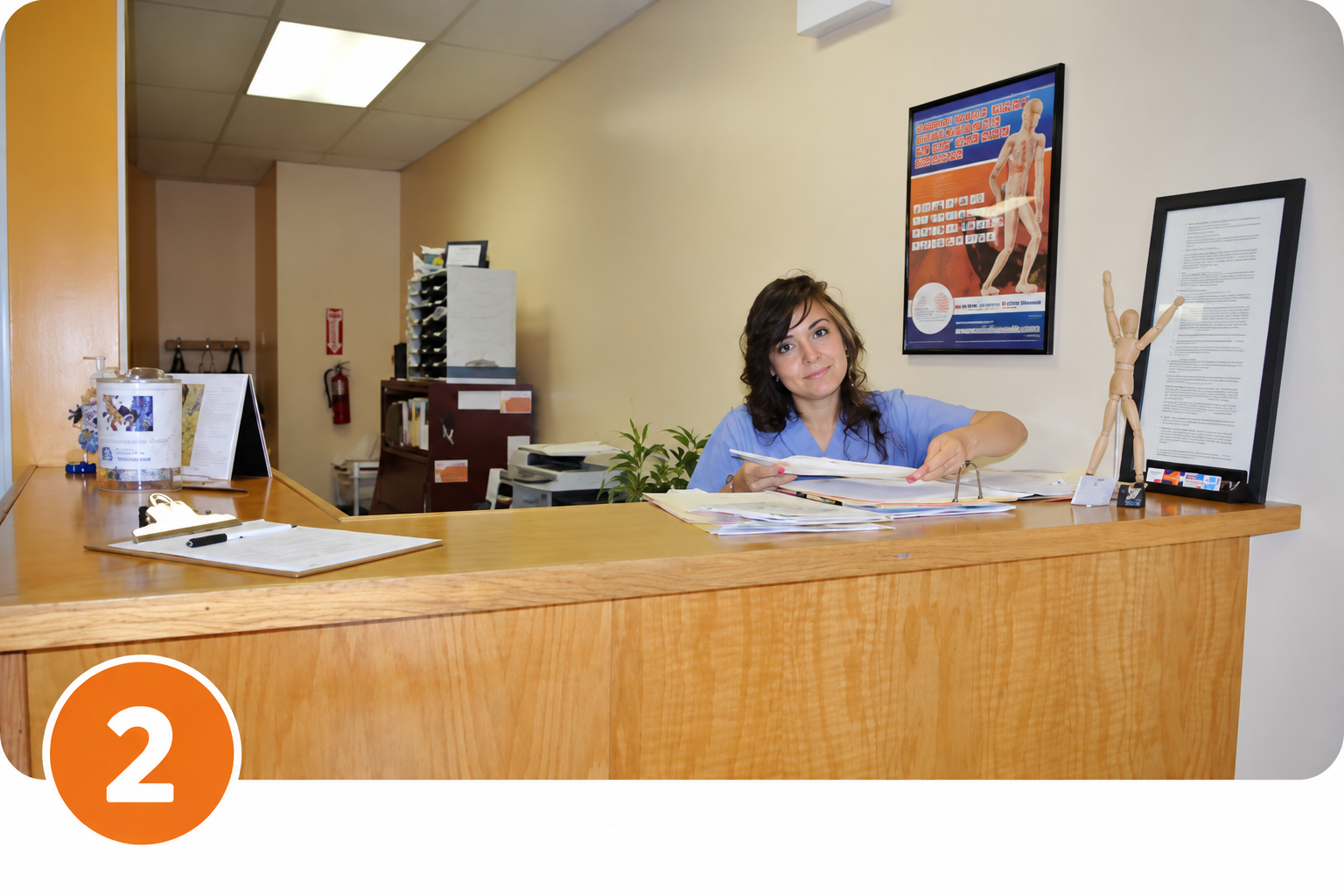
Reúnete con nosotros
Escucharemos sus inquietudes, nos informaremos sobre su lesión y comprenderemos qué es lo que desea volver a hacer.

Haz un plan
Su equipo especializado en atención de lesiones diagnosticará su afección y le recomendará un plan de tratamiento adaptado a sus necesidades.
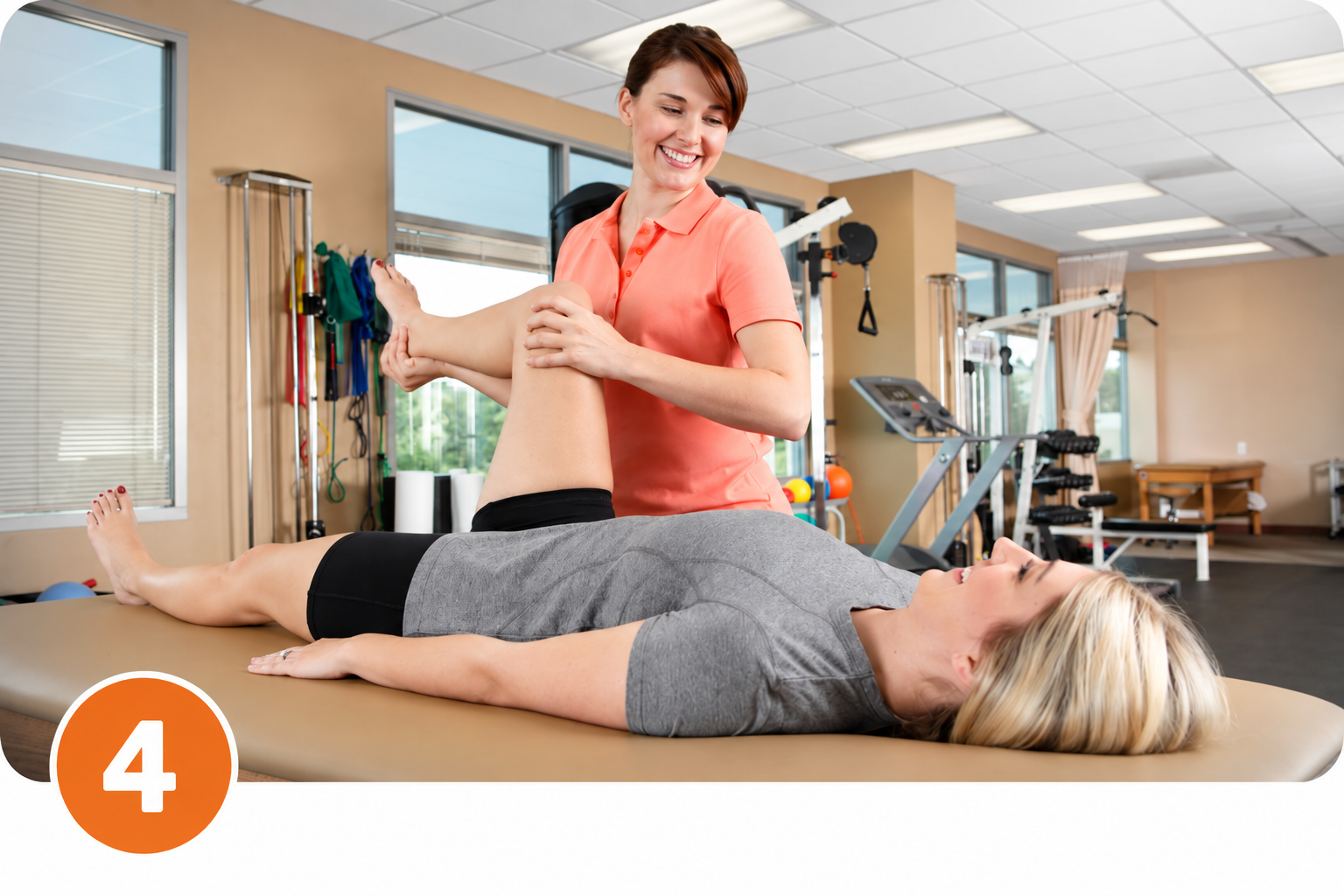
Sigamos adelante.
Revisaremos su progreso periódicamente y ajustaremos su atención a medida que avance hacia la recuperación.
¿Listos para seguir adelante?
Nuestro equipo está aquí para ayudarte a moverte mejor, sentirte más fuerte y volver a hacer lo que te apasiona.