
Rehabilitation After Sports Injury: Complete Guide
Sports push our bodies to the limit, so injuries are an unfortunate risk. From sudden acute injuries (like sprains or fractures) to overuse injuries that develop over time, getting hurt can sideline athletes and weekend warriors alike. Sports injury rehabilitation is the process of helping an injured individual regain strength, mobility, and confidence so they can safely return to their sport or daily activities.
Sports injury rehab is a comprehensive, personalized process that involves not just healing the injured tissues but also restoring function and preventing future problems. Importantly, rehabilitation is often a team effort, involving a multidisciplinary team of professionals (doctors, physical therapists, orthopedic specialists, trainers, etc.) working together to support the patient’s recovery.
Rehabilitation starts with an accurate diagnosis and timely care. Beginning therapeutic exercises as soon as it’s safe can accelerate recovery, but doing too much too soon can risk aggravating the injury.
Principles of Effective Sports Injury Rehabilitation
Effective rehabilitation follows several guiding principles. In short, it’s important to avoid activities that aggravate the injury and to start rehab promptly once it’s medically safe (too much rest can be detrimental). Each rehab program is individualized – no two athletes or injuries are exactly alike. Rehabilitation follows a specific sequence aligned with the body’s healing, and the intensity of exercise is adjusted to challenge without overtaxing the injury. Finally, good rehab considers the whole athlete – keeping the rest of the body conditioned and supporting the athlete’s mental readiness during recovery. By following these principles, the rehab process can safely speed recovery and help prevent setbacks.
Components of a Sports Injury Rehabilitation Program
A comprehensive rehab program typically includes several components, each targeting a different aspect of recovery. Key components include:
Pain Management
Controlling pain is a top priority, especially in the early stages after injury. Techniques like rest, ice, compression, and elevation (RICE) are often used initially to reduce pain and swelling. Depending on the severity of the injury, doctors might also recommend anti-inflammatory medications or therapeutic modalities (e.g. electrical stimulation, ultrasound) to help alleviate pain. The goal is to keep the patient as comfortable as possible while the healing process begins. Proper pain management not only improves comfort but also enables the patient to participate more actively in therapy exercises.
Flexibility and Joint Range of Motion (ROM)
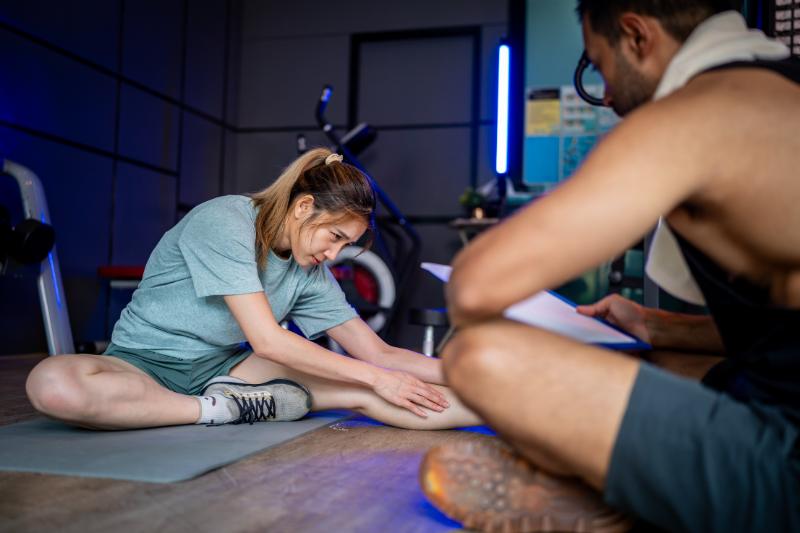
Injuries can cause joints to become stiff and muscles to lose flexibility, either due to swelling, immobilization, or pain limiting movement. Regaining joint range of motion and flexibility is a crucial component of rehab. Physical therapists use gentle stretching exercises and joint mobilization techniques to help restore flexibility in the affected area. For example, after a knee injury, stretching the surrounding leg muscles will help restore normal motion of the joint. Restoring ROM is usually addressed early in rehab (once pain and swelling are under control) because movement is the foundation for later steps like strengthening.
Strength and Endurance
Rebuilding muscle strength and endurance is central to sports injury rehab. After an injury, the affected muscles often weaken from disuse and must be gradually strengthened to support the injured joint or limb. Physical therapists implement a gradual strengthening program targeting the muscles around the injury and supporting muscle groups. Endurance exercises (like higher-repetition sets or low-impact cardio) may also be included to build stamina. Therapists gradually increase the resistance or intensity as the tissue heals, a progressive loading approach. They also ensure each exercise is done with proper form to maximize benefit and avoid injury. The end goal is to fully restore strength and endurance.
Proprioception and Coordination
After the initial phase of recovery, rehabilitation incorporates exercises for proprioception – the body’s sense of position and movement – and coordination. An injury (especially to a joint or limb) can impair balance and body awareness. To retrain these abilities, therapists use balance and coordination drills. For instance, exercises might include standing on one leg (or on an unstable surface), agility ladder drills, or catching and throwing exercises that challenge coordination. Restoring proprioception is essential so that the athlete can perform quick, complex movements confidently without a misstep that could cause another injury.
Functional and Sports-Specific Training
As the athlete improves in strength and mobility, rehabilitation shifts toward functional training – exercises that mimic movements required in daily life or the athlete’s sport. For example, a soccer player might practice light kicking and agility drills, while a basketball player might do shooting and defensive shuffle drills. Sport-specific drills and plyometric exercises (like jumping and quick direction changes) are added to build the power, speed, and technical skills the athlete needs. During this phase, therapists and trainers also emphasize proper technique and address any underlying movement issues that could have contributed to the injury. By the end of this component, the athlete is practicing their sport movements at near-normal intensity, which prepares them for the real demands of play.
Psychological Support
Recovering from a sports injury isn’t just a physical process – it’s a mental challenge too. Athletes may experience frustration, anxiety, or even depression during rehab, especially if they’re sidelined for a long time. Fear of re-injury can also weigh on an athlete’s mind when returning to play. Thus, psychological support is an important component of comprehensive rehabilitation. Many athletes benefit from working with sports psychologists or counselors who can help them cope with the emotional aspects of injury and build confidence. Addressing the mental side of recovery helps athletes stay engaged in rehab and return to sport with confidence.
Stages of Rehabilitation
Most rehabilitation plans progress through a series of stages or phases. Each stage has specific goals and benchmarks, and they naturally flow into the next as the athlete heals. Common stages of sports injury rehabilitation include:
Initial Stage – Acute Recovery (Protect and Control Pain/Swelling)
This first stage begins immediately after the injury (usually lasting a few days to a couple of weeks, depending on severity). The focus here is to protect the injured area and control pain and swelling. This often means relative rest (avoiding movements that cause pain), using ice and compression, and possibly immobilizing the area with a sling, cast, or brace if necessary. However, “rest” doesn’t mean complete bed rest – gentle movement that doesn’t stress the injury is encouraged to maintain circulation and flexibility. For example, a person with a sprained ankle might do gentle ankle circles or alphabet exercises in the air with their foot to keep it mobile. The athlete also follows medical advice (such as using a brace or crutches if recommended) during this stage.
Intermediate Stage – Restoring Mobility and Strength
Once initial pain and swelling are managed, rehab enters a more active phase. The goals in this intermediate stage are to restore joint mobility and flexibility, and begin rebuilding strength. Under the guidance of a physical therapist, the athlete starts performing targeted exercises to gradually increase their range of motion – for instance, gentle stretching and movements that extend the joint’s range. As flexibility returns, strengthening exercises are introduced. These start at a low intensity (often using body weight or light resistance bands) and progressively increase as tolerated. By the end of the intermediate stage, the athlete should have improved motion in the injured area and regained basic strength.
Advanced Stage – Functional Training and Conditioning
In the advanced stage, rehabilitation becomes more functional and closely mimics sport-specific activities. The focus is on high-level strength, power, and sport-specific skills needed for the athlete’s return to play. Exercises now challenge the athlete in dynamic ways. For example, this stage may include drills like jumping and quick direction changes for lower-body injuries, or throwing and swinging exercises for upper-body injuries. Safe plyometric exercises can be incorporated using a trampoline with enclosure, allowing the athlete to practice jumping, landing, and coordination drills in a controlled and secure environment.
Balance and agility drills are intensified to ensure the athlete’s proprioception and coordination are fully restored. In this stage, conditioning also ramps up: the athlete performs cardio and endurance training that simulates the demands of their sport (for instance, interval sprints for soccer or extended hitting practice for tennis).
This stage also puts emphasis on injury prevention – therapists will correct any lingering technique issues or muscle imbalances to reduce the risk of re-injury. By the end of the advanced stage, the athlete is essentially training as if in practice, with confidence in the injured area’s strength and stability. In some cases, athletes at this stage may use protective aids (like a brace, taping, or shoe orthotics) for extra support or to correct mechanics, as advised by their therapist.
Return to Sport – Transition Back to Play
The final stage is the return-to-sport phase. Here, the athlete transitions from rehab to unrestricted play, typically following a carefully planned progression. A gradual Return-to-Play (RTP) protocol is often used – for example, the athlete might start with non-contact drills, then move to full practice, and finally resume competition once each step is successfully completed.
The athlete must meet specific criteria for full clearance: the injured area has no pain, full range of motion, and near-normal strength, and the athlete can perform sport-specific tests well. Medical clearance from a physician is usually required as well. This careful progression is crucial, because returning too soon increases the risk of re-injury. Once all the boxes are checked, a full return to competition is advised. Even after returning to sport, athletes often continue with some maintenance exercises and periodic check-ins to ensure they stay healthy.
Conclusion
Rehabilitation after a sports injury is a comprehensive journey that addresses immediate healing while building a foundation for long-term athletic performance. It requires continuous monitoring and adjustments by your rehab team, and involves managing pain, restoring movement, building strength, retraining coordination, and preparing both mind and body to return to sport. A well-structured rehab program, tailored to the individual, makes it much more likely you’ll return strong and avoid chronic or repeat injuries.
At La Clinica SC Injury Specialists, our team of physical therapists and sports medicine experts is here to guide you through every stage with expert care and a personalized plan. Remember, patience and consistency are key – rehabilitation is a gradual process, and everyone progresses at their own pace. By staying committed to your rehab plan and following professional guidance, you give yourself the best chance to get back in the game safely and perform at your best.

