
Manual Therapy Overview: Definition, Techniques & Benefits
Manual therapy is a key technique in physical therapy that involves skilled hands-on treatment rather than machines. At La Clinica SC, we often incorporate manual therapy into our physical therapy sessions to help patients recover from pain and injury. But many people unfamiliar with the term might wonder, what is manual therapy and how can it help? This overview will explain what manual therapy entails, how it works, and the benefits it offers for improving movement and reducing pain.
What Is Manual Therapy?
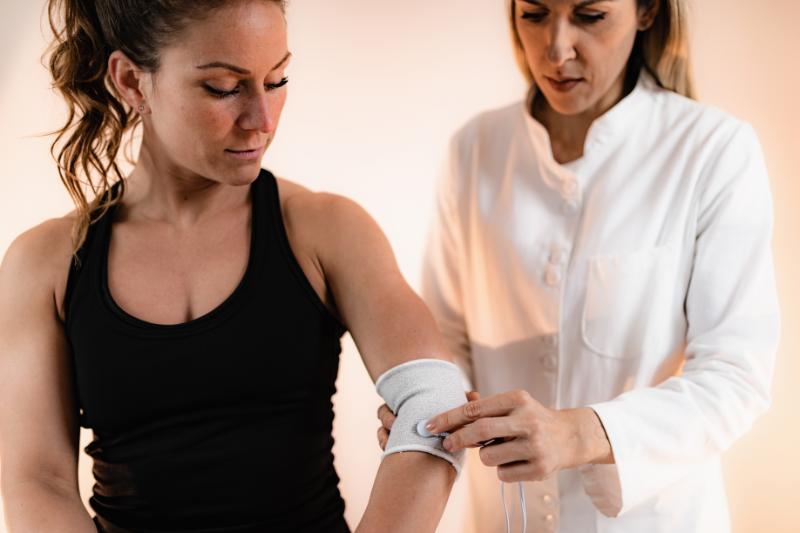
Manual therapy refers to therapeutic techniques where a trained clinician uses their hands to diagnose and treat musculoskeletal problems. The American Physical Therapy Association (APTA) defines manual therapy as “skilled hand movements and skilled passive movements of joints and soft tissue” used to improve range of motion, mobilize soft tissues and joints, control pain, reduce swelling, and induce relaxation. In other words, manual therapy is often called “hands-on” physical therapy because the therapist’s hands – rather than devices or machines – do the work. The physical therapist may gently press, mobilize, or stretch different parts of the body to loosen tight muscles, move stiff joints, and ease discomfort.
For example, if a patient has stiffness in the hip or shoulder, the therapist might use manual techniques like joint mobilization and soft tissue massage to increase the joint’s range of motion and reduce pain when moving. Unlike exercises you do on your own, these hands-on techniques can specifically target problem areas to provide relief and improve mobility.
How Does Manual Therapy Work?
Manual therapy works by physically manipulating the body’s tissues to trigger positive changes. During a manual therapy session, the therapist applies directed pressure and movement to your muscles, fascia, and joints. These skilled hands-on maneuvers help relax tight muscles, increase local blood circulation, and gently stretch connective tissues, which in turn improves your flexibility and joint range of motion. Manual joint movements can also relieve pressure on joints and nerves – reducing pain and improving the joint’s mechanics for easier, more comfortable movement. In essence, the therapist’s touch can break up adhesions (knots or scar tissue), calm overactive nerves, and promote a healing response in the treated area.
Another aspect of how manual therapy helps is by modulating the nervous system’s response to pain. The hands-on pressure can signal the body to relax and can “reset” tight or spasming muscles. This often leads to an immediate reduction in pain or stiffness in the treated region. By restoring mobility to a joint or muscle through manual techniques, the patient can then move better and exercise more effectively, which further promotes recovery. Manual therapy, therefore, serves as a catalyst to reduce pain and jump-start improvements in movement, especially when combined with corrective exercises.
Common Manual Therapy Techniques
Physical therapists are trained in a variety of manual therapy techniques. Here are some common types of manual therapy and how they work:
- Soft Tissue Mobilization (Massage): The therapist uses hands-on techniques similar to massage to knead or stretch tight muscles and fascia. This helps loosen knots in the muscle, relieve tension, and get blood flowing to the area for healing. Soft tissue work can improve flexibility and alleviate pain caused by muscle tightness.
- Joint Mobilization: The therapist gently moves a restricted joint through its natural range of motion, often using slow, oscillating movements. By providing this extra guided movement to the joint, the therapist can ease stiffness and help restore normal motion in the joint. Joint mobilization can reduce joint pain and make movements (like bending an arthritic knee or lifting an arm) feel easier and smoother.
- Assisted Stretching (Muscle Energy Techniques): In this technique, the patient actively pushes or contracts a muscle against resistance provided by the therapist, then relaxes. This sequence helps to lengthen tight muscles and improve flexibility in a controlled way. For instance, a therapist might ask you to press your leg against their hand, then stretch the muscle further when you relax. These assisted stretches retrain the muscle to reach a greater length, increasing your range of motion.
- Nerve Glides (Neural Mobilization): If a nerve is “entrapped” or causing radiating pain/numbness, therapists can perform gentle nerve gliding exercises. The therapist carefully moves the limb in specific ways to stretch and release the nerve without causing harm. Nerve glides help nerves slide more freely through surrounding tissues. This can reduce nerve pain or tingling (for example, sciatica or carpal tunnel symptoms) and improve the nerve’s function.
These are just a few examples of manual therapy techniques. Other methods a therapist might use include myofascial release (focused on fascia connective tissue), trigger point therapy (applying pressure to tender “knots”), or manual traction (gentle pulling to decompress joints). The choice of technique depends on the patient’s specific condition and comfort. All manual therapy techniques share the common goal of using skilled, hands-on care to improve how your body moves and feels.
Benefits of Manual Therapy
Manual therapy offers many potential benefits for patients as part of a rehabilitation program. Some of the key benefits include:
- Pain Relief: Hands-on treatments can significantly reduce pain by decreasing muscle spasm and joint pressure. By restoring normal movement to painful areas, manual therapy often leads to noticeable pain reduction.
- Better Mobility: Loosening stiff joints and tight muscles leads to improved flexibility and range of motion. Manual therapy helps restore normal joint play and muscle length, so you can move your limbs more freely.
- Faster Healing: Increasing blood flow is a crucial part of healing, and manual techniques help boost circulation to injured tissues. Better blood flow means more oxygen and nutrients reach the area, promoting faster recovery of muscles and joints.
- Reduced Muscle Tension: Manual therapy helps muscles relax. By easing knots and tension in soft tissues, it can break the cycle of muscle tightness and pain. Patients often feel less stressed and more relaxed after a session.
- Decreased Inflammation: Gentle manual pressure can reduce local swelling and inflammation. Mobilizing tight or thickened tissues helps flush out excess fluid and calm irritated areas, which aids in pain relief and mobility.
- Less Reliance on Medication or Surgery: Because manual therapy addresses pain and mobility problems at the source, it may reduce the need for pain medications or more invasive treatments. Some patients find that, with regular physical therapy (including manual techniques), they can avoid heavy painkillers or even delay/avoid certain surgeries.
By providing these benefits, manual therapy can accelerate your rehabilitation progress. Research and clinical experience show that combining manual therapy with targeted exercise often yields better outcomes than exercise alone. In practice, the hands-on relief from manual therapy makes it easier for you to perform your exercises and daily activities with less pain, helping you return to the activities you love faster.
Conditions Treated by Manual Therapy
Manual therapy is commonly used to help treat a wide range of musculoskeletal conditions, such as:
- Low back pain and neck pain: Including common issues like muscle strains, disc-related pain, or general stiffness in the spine.
- Shoulder, elbow, or wrist/hand injuries: For example, rotator cuff injuries, tennis elbow, or carpal tunnel syndrome that can benefit from soft tissue and joint mobilization.
- Hip, knee, ankle, or foot problems: Such as arthritis in the knee, ankle sprains, plantar fasciitis, or hip impingement – manual therapy can improve joint function and relieve pain in the limbs.
- Muscle spasms or chronic muscle tension: Persistent muscle tightness (in areas like the neck, back, or legs) often responds well to hands-on release techniques.
- Accident-related or work-related injuries: Injuries from car accidents, falls, or repetitive strain at work (like whiplash or back strain) can be addressed with manual therapy to reduce pain and restore movement.
These are just a few examples. Manual therapy is versatile – it can be tailored to many situations, from sports injuries to post-surgical rehab, whenever improving tissue mobility and reducing pain is a priority.
Manual Therapy vs. Other Treatments
Manual therapy is a valuable tool in healthcare, but it’s typically one part of a larger treatment plan rather than a standalone cure. In a physical therapy program, your therapist will often combine manual therapy with therapeutic exercises, stretching programs, and other modalities as needed. This comprehensive approach addresses both the immediate symptoms and the underlying causes of your condition. For instance, the manual therapy might relieve pain and improve your mobility, while exercises build strength and stability to maintain those improvements. Using manual therapy alongside exercise often leads to the best and fastest results for recovery.
It’s also helpful to understand how manual therapy (as done by physical therapists) differs from other common hands-on treatments like chiropractic or general massage therapy. Chiropractic care and manual physical therapy share some similarities in that both involve hands-on work, but their focus and methods differ. Chiropractors primarily perform spinal adjustments – quick, controlled thrusts to the spine – with the goal of correcting spinal alignment and treating issues believed to stem from the spine.
This is often used for conditions like back or neck pain and headaches. In contrast, physical therapists use manual therapy with the goal of restoring pain-free movement and function in muscles and joints throughout the body. A physical therapist may mobilize not just the spine but any joint (shoulder, ankle, jaw, etc.) and will always pair manual techniques with exercise and functional training. While chiropractors focus on the spine and may use specialized tables or instruments for adjustments, physical therapy manual techniques are part of a broader rehabilitation strategy aimed at overall movement, strength, and injury prevention.
Conclusion
Manual therapy is a hands-on approach to healing that can significantly improve pain and mobility for many people. By using skilled touch, physical therapists are able to do things that exercises or machines alone sometimes can’t – such as freeing a stuck joint, releasing a deep muscle knot, or instantly easing nerve pressure. For patients, this means quicker pain relief and a smoother path to regaining normal movement. Importantly, manual therapy is most effective when it’s part of a well-rounded physical therapy plan that also includes exercise and education to address the root of the problem.
If you’re suffering from muscle or joint pain, stiffness, or injuries, manual therapy might be an option to consider. A licensed physical therapist (for example, our team at La Clinica SC in Chicago) can evaluate your condition and determine if hands-on therapy techniques would benefit you. With the combination of manual therapy and targeted exercises, you can often achieve relief from pain, move more comfortably, and get back to your daily activities faster. Manual therapy is one more way that modern physical therapy helps people feel better and move better – providing an effective, personal touch on the journey to recovery.


 English
  Spanish