
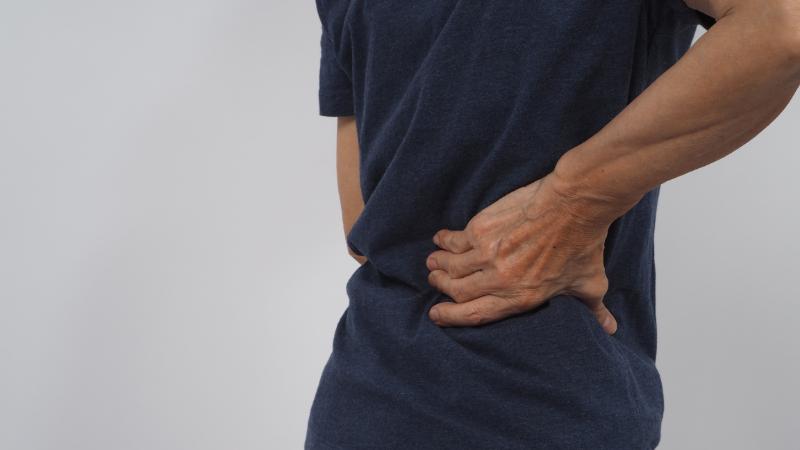
Herniated Disc From a Car Accident: Causes, Symptoms, and Recovery
Car accidents can have serious effects on the spine, even when no visible injuries are immediately apparent. One common consequence of a collision is a herniated disc, which can cause pain, numbness, and limited mobility. Understanding the causes, symptoms, and treatment options is essential for a safe recovery.
Understanding Herniated Discs
What is a Herniated Disc?
The human spine is made up of individual vertebrae separated by intervertebral discs, which act as cushions that absorb shock and allow flexibility. Each disc has a tough outer layer called the annulus fibrosus and a gel-like center known as the nucleus pulposus.
A herniated disc occurs when the inner gel pushes through a tear in the outer layer, irritating surrounding nerves. Herniated discs are sometimes confused with bulging discs, but there is a key difference. A bulging disc extends outward without tearing the outer layer, whereas a herniated disc involves a rupture that can compress nerves, leading to pain, tingling, or weakness.
How Car Accidents Can Cause Herniated Discs
Car accidents often involve sudden, forceful movements that the spine is not prepared to handle. Even a minor collision can generate enough impact to damage spinal discs. Common mechanisms include:
- Whiplash injuries: The rapid back-and-forth movement of the head and neck can stress cervical discs.
- Compression injuries: Sudden pressure on the spine from the seatbelt or collision impact can affect lumbar discs.
- Twisting or bending motions: During an accident, the spine may twist unnaturally, increasing the risk of disc rupture.
The cervical (neck) and lumbar (lower back) regions are most often affected, though thoracic (mid-back) herniations can occur in high-impact collisions.
Recognizing the Symptoms
Herniated discs can manifest immediately after an accident or develop over time. Recognizing the signs early is critical for prompt treatment.
Immediate Symptoms After the Accident
Some people feel pain or discomfort immediately following a car accident. Typical symptoms of a herniated disc include:
- Sharp or burning pain in the neck, back, or radiating down the arms or legs
- Stiffness and difficulty moving the affected area
- Numbness or tingling in extremities
- Muscle weakness in the arms or legs
Delayed Symptoms
In some cases, symptoms do not appear until days or even weeks after the accident. Delayed onset occurs when nerve irritation or inflammation develops gradually. It’s important to monitor your condition, as even minor discomfort can indicate a more serious underlying injury.
Warning Signs That Require Urgent Care
Certain symptoms signal a medical emergency and should not be ignored:
- Loss of bladder or bowel control
- Severe or worsening numbness or weakness
- Intense, unrelenting pain that does not improve with rest or medication
Prompt evaluation is essential to prevent long-term nerve damage or other complications.
Diagnosis of Herniated Discs
Accurate diagnosis involves a combination of physical assessment, imaging, and nerve testing.
Physical Examination
A physician will evaluate posture, range of motion, reflexes, and muscle strength to identify areas of weakness or nerve involvement. This hands-on assessment provides valuable insight into the severity and location of the disc injury.
Imaging Tests
Diagnostic imaging is crucial for confirming a herniated disc. Common methods include:
- MRI (Magnetic Resonance Imaging): Provides detailed images of soft tissues, including discs and nerves
- CT Scan: Helps detect bone involvement and spinal alignment issues
- X-rays: Primarily used to rule out fractures or other skeletal problems
Nerve Studies
Electromyography (EMG) and Nerve Conduction Studies (NCV) evaluate the function of affected nerves. These tests help determine whether the herniated disc is causing nerve compression or damage.
Non-Surgical Treatment Options
Most herniated discs can improve without surgery. Non-invasive treatments focus on reducing pain, improving mobility, and supporting spinal health.
Pain and Inflammation Management
Medications are often the first step in relieving pain:
- NSAIDs (non-steroidal anti-inflammatory drugs): Reduce inflammation and discomfort
- Muscle relaxants: Help relieve muscle spasms associated with disc injuries
- Topical treatments and heat/ice therapy: Provide targeted relief and promote healing
Consistent pain management allows patients to participate in rehabilitation more effectively.
Physical Therapy and Rehabilitation
Physical therapy is central to recovery from a herniated disc. A trained therapist develops a personalized program that may include:
- Stretching exercises: Improve flexibility and reduce nerve tension
- Strengthening exercises: Target core muscles to stabilize the spine
- Posture correction: Aligns the spine properly to prevent further strain
- Functional training: Prepares patients for work-related or daily activities
Chiropractic Care and Manual Therapy
Chiropractic adjustments and manual therapy can complement rehabilitation by:
- Reducing pressure on compressed nerves
- Improving spinal alignment
- Enhancing blood flow and promoting tissue healing
These treatments are often combined with physical therapy to maximize recovery without the need for surgery.
Lifestyle and Home Care
Patients can support their recovery at home through:
- Activity modification: Avoid heavy lifting, twisting, or prolonged sitting
- Ergonomic adjustments: Ensure proper posture at work and home
- Low-impact exercise: Swimming, walking, or yoga to strengthen core muscles
By following these strategies, patients can accelerate healing, reduce the risk of reinjury, and maintain long-term spinal health.
When to Consider Surgery
While most herniated discs improve with non-surgical care, some cases require surgical intervention. Surgery is typically considered when conservative treatments fail or when there is significant nerve compression causing neurological symptoms.
Signs Non-Surgical Treatments Aren’t Enough
Patients may need surgery if they experience:
- Persistent pain that does not improve after several weeks of therapy
- Progressive weakness or numbness in the arms or legs
- Loss of bladder or bowel control
- Inability to perform daily tasks due to pain or limited mobility
Recognizing these warning signs early allows for timely intervention and prevents further complications.
Types of Surgical Interventions
Surgical options for herniated discs are tailored to the specific location and severity of the injury:
- Microdiscectomy: Removes the portion of the disc pressing on a nerve, typically for lumbar or cervical herniations
- Laminectomy: Removes part of the vertebral bone to relieve nerve pressure
- Spinal Fusion: Stabilizes the spine by fusing two or more vertebrae, usually for more severe or chronic cases
Surgery is generally considered a last resort, as most patients achieve recovery through non-invasive methods.
Recovery Timeline and Prognosis
Recovery from a herniated disc varies depending on the severity of the injury, the patient’s overall health, and adherence to treatment plans. Understanding what to expect can help manage expectations and promote a smoother rehabilitation process.
What to Expect in the First Few Weeks
Immediately after a herniated disc diagnosis, the primary goals are pain relief and preventing further injury. During this stage:
- Pain management may include medications, ice/heat therapy, and gentle stretching
- Patients are encouraged to maintain light movement to prevent stiffness and promote circulation
- Activities that aggravate the spine should be avoided, such as heavy lifting or prolonged sitting
Consistent care during these early weeks lays the foundation for a successful recovery.
Long-Term Rehabilitation
As symptoms improve, rehabilitation focuses on restoring strength, flexibility, and spinal stability:
- Core strengthening: Essential to support the spine and prevent recurrence
- Posture and ergonomics training: Reduces stress on injured discs during daily activities
- Functional exercises: Simulate work or sports movements to ensure a safe return to activity
Ongoing therapy may last several months, depending on individual needs, and helps prevent long-term complications or reinjury.
Returning to Work and Daily Activities
A gradual approach is recommended when returning to work or everyday tasks:
- Start with lighter duties or modified schedules
- Avoid repetitive bending, twisting, or lifting heavy objects initially
- Gradually increase activity levels as pain decreases and mobility improves
By pacing the recovery process, patients reduce the risk of flare-ups and improve long-term outcomes.
How La Clinica SC Can Help
La Clinica SC specializes in treating accident-related spinal injuries, including herniated discs, offering comprehensive, personalized care across multiple locations in Illinois.
Comprehensive Evaluation and On-Site Imaging
Our clinics provide advanced diagnostic testing on-site, including X-rays, EMG/NCV studies, and MRIs. Immediate access to these tools allows for accurate evaluation and faster initiation of treatment.
Personalized Non-Surgical Treatment Plans
Every patient receives a customized plan based on the type of herniation, symptom severity, and lifestyle needs. Treatment may combine:
- Physical therapy and rehabilitation
- Chiropractic care and manual therapy
- Pain management strategies
Our team prioritizes non-surgical solutions whenever possible to minimize recovery time and maximize spinal health.
Physical Therapy, Chiropractic, and Work Conditioning Programs
La Clinica SC offers integrated rehabilitation programs that focus on:
- Stretching and strengthening exercises
- Core stabilization and posture correction
- Work conditioning to prepare for job-related activities
- Guidance for returning safely to sports or daily routines
These programs help patients regain mobility, prevent reinjury, and improve quality of life.
Telehealth Consultations and Transportation Assistance
To support patients throughout recovery, La Clinica SC provides:
- Telehealth consultations for ongoing guidance and progress monitoring
- Transportation assistance for qualifying patients to attend in-person therapy
This accessibility ensures patients can stay consistent with care, which is crucial for optimal recovery.
Steps to Take After a Car Accident
Proper post-accident care is essential to ensure no injuries are overlooked, and recovery starts promptly.
Seek Immediate Medical Attention
Even if symptoms seem minor, seeing a healthcare professional is crucial. Herniated discs or other spinal injuries may not be obvious right away. Early diagnosis allows for prompt treatment and reduces the risk of complications.
Document Symptoms and Injuries
Keep detailed records of your pain, stiffness, or numbness, as well as any medical evaluations and treatments received. This documentation is valuable for both medical care and potential insurance claims.
Follow Your Treatment Plan Closely
Adhering to your prescribed therapy, exercises, and lifestyle modifications is key to a full recovery. Skipping sessions or ignoring symptoms can prolong pain and increase the risk of chronic issues.
Monitor for Delayed or Worsening Symptoms
Some symptoms may appear days or weeks after an accident. If pain intensifies, weakness develops, or neurological symptoms occur, contact your healthcare provider immediately for reassessment.
Schedule a Consultation With La Clinica SC
Taking swift action after a car accident is the first step toward recovery. La Clinica SC offers a coordinated approach to help patients heal safely and efficiently.
Locations and Contact Information
La Clinica SC serves multiple communities in Illinois, including:
- Cicero, Chicago North, Chicago South, Melrose Park, Little Village, Waukegan, Aurora, Blue Island, and Elgin
Free Initial Consultation for Accident-Related Injuries
Patients can schedule a free consultation to discuss their symptoms, receive a thorough evaluation, and develop a personalized care plan.
Coordinated Care for Faster Recovery
By integrating diagnostics, physical therapy, chiropractic care, and work conditioning, La Clinica SC injury clinic ensures a seamless recovery process. From initial assessment to long-term rehabilitation, our team supports every step of your healing journey.
Recovering from a herniated disc after a car accident can be challenging, but with early diagnosis, consistent non-surgical care, and professional guidance, patients can regain mobility, reduce pain, and return to their daily lives. La Clinica SC’s specialized approach provides the expertise and support needed to achieve the best possible outcomes.


 English
  Spanish