Elbow Pain Treatment
Get Relief From Elbow Pain and Injuries
Build Strength for Recovery.
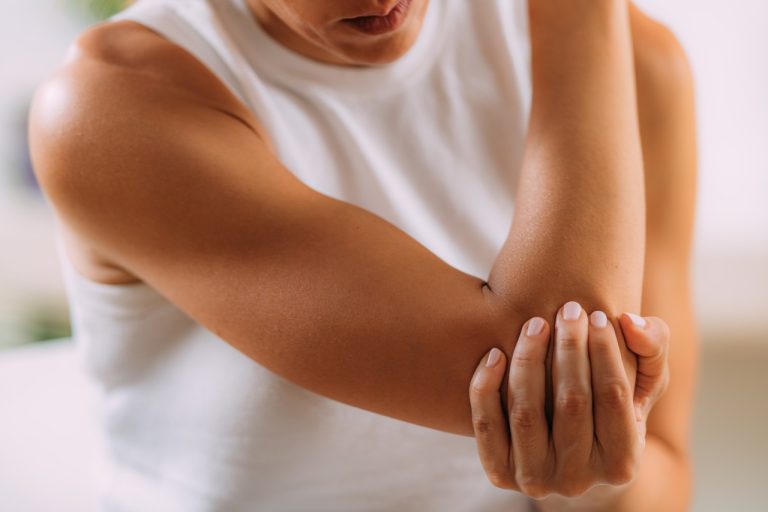
Elbow pain can make simple activities like lifting groceries, turning a doorknob, or reaching for something uncomfortable. You may notice pain when bending your arm, weakness when gripping objects, or stiffness that makes everyday movements difficult.
Sometimes elbow pain begins after an accident or fall. Other times, it develops gradually from repetitive movements at work or daily activities.
At La Clínica SC, we help patients understand what’s causing their elbow pain and find treatment options that fit their needs. Our approach may include physical therapy, pain management, and orthopedic care to help reduce discomfort, improve mobility, and support recovery.
Common Elbow Injuries and Conditions
Several conditions can affect the elbow. Although some produce similar symptoms, each may require a different approach to treatment.
Tennis Elbow (Lateral Epicondylitis)
Tennis elbow affects the tendons on the outside of your elbow. It commonly develops from repeated gripping or wrist movements and can cause pain when lifting objects, turning a handle, or shaking hands.
Golfer’s Elbow (Medial Epicondylitis)
Golfer’s elbow causes pain along the inside of the elbow. Despite its name, it can affect anyone who regularly performs repetitive gripping, lifting, or twisting movements.
Elbow Sprains and Strains
A sprain involves stretched or torn ligaments, while a strain affects muscles or tendons. These injuries may occur after a fall, sudden movement, or workplace accident.
Elbow Bursitis
Bursitis develops when the small fluid-filled sac at the back of the elbow becomes irritated or inflamed. It can cause noticeable swelling, tenderness, and discomfort when placing pressure on the elbow.
Cubital Tunnel Syndrome
Cubital tunnel syndrome occurs when the ulnar nerve becomes compressed or irritated near the elbow. It can cause tingling or numbness in the ring and little fingers, especially when the elbow stays bent for long periods.
Elbow Tendon Injuries
Tendons help connect the muscles of your arm to the bones. Sudden force or repeated stress may damage these tissues, leading to pain, weakness, or difficulty moving the arm.
Elbow Fractures and Dislocations
A strong impact or fall can cause a broken bone or move the elbow joint out of position. These injuries require prompt medical care and may need specialized treatment before rehabilitation begins.
Elbow Arthritis
Arthritis can cause pain, stiffness, and swelling in the elbow joint. It may develop over time due to wear and tear or following a previous injury, making everyday movements like bending, lifting, or straightening your arm more difficult.
When To See a Doctor if You Have Elbow Pain
Don't Ignore New or Worsening Symptoms
Common elbow pain symptoms include:
- Pain When Bending or Straightening Your Arm
- Pain on the Inside or Outside of Your Elbow
- Swelling or Tenderness
- Weakness or Difficulty Gripping
- Stiffness or Limited Movement
- Tingling or Numbness
Inspiring Patient Stories
Real People. Real Progress.


Frequently Asked Questions
FAQ About Elbow Pain and Treatment
How Is Elbow Pain Evaluated?
Can Elbow Pain Go Away on Its Own?
Why Does My Elbow Hurt When I Lift Something?
Can a Car Accident Cause Elbow Injuries?
Is Elbow Pain Considered a Work-Related Injury?
Can Physical Therapy Help With Tennis Elbow?
Yes. Physical therapy can help relieve tennis elbow symptoms by improving flexibility, strengthening the forearm muscles, and restoring normal arm function. Treatment may include therapeutic exercises, manual therapy, and activity modification to reduce stress on the affected tendons.
How Long Does It Take to Recover From an Elbow Injury?
Your Path to Recovery
Get in Touch
Tell us what happened and how you’re feeling. We’ll help you take the first step toward an appointment.
Meet with us
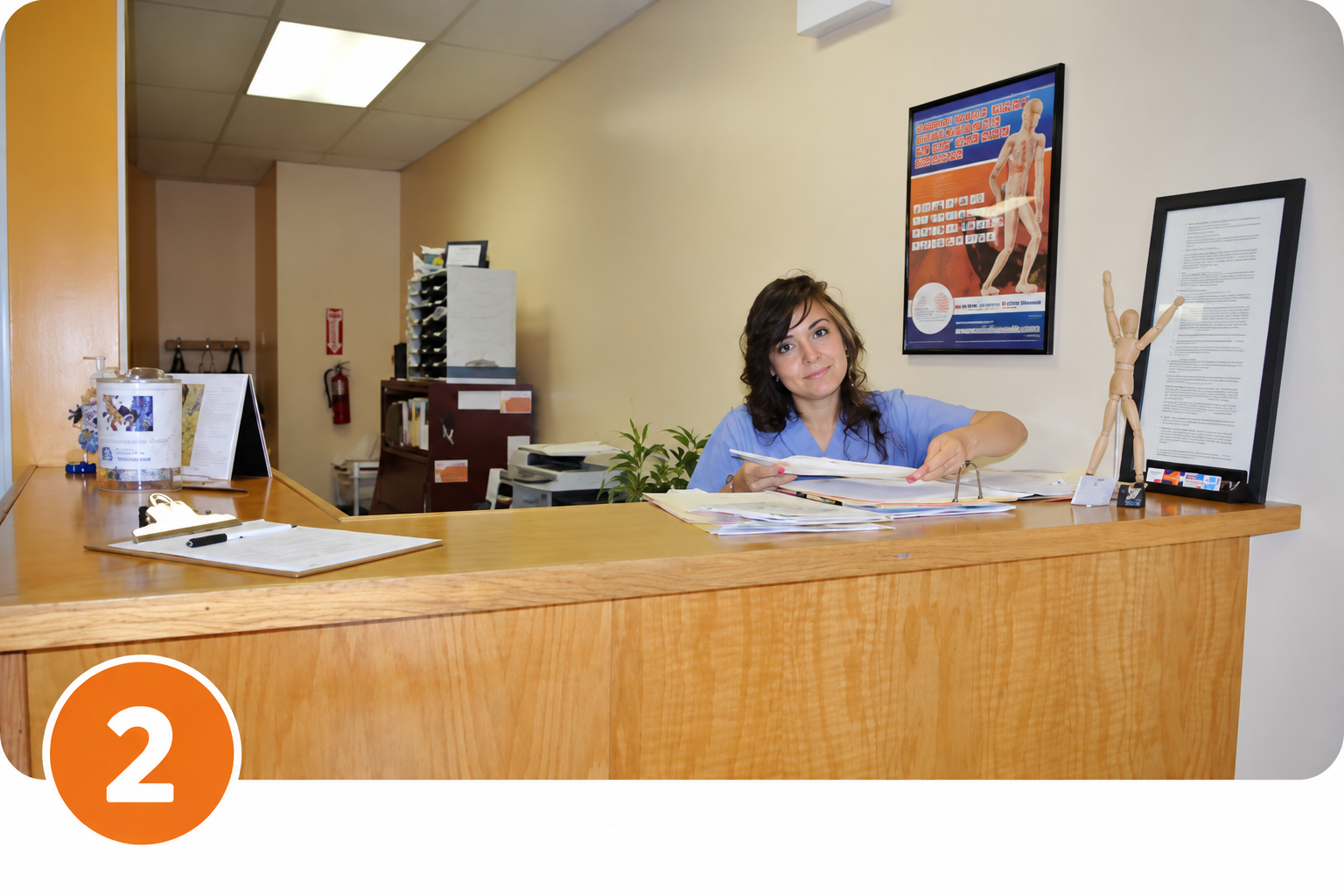
We’ll listen to your concerns, learn about your injury, and understand what you want to get back to doing.

Make a plan
Your specialized injury care team will diagnose your condition and recommend a treatment plan tailored for you.
Keep moving forward
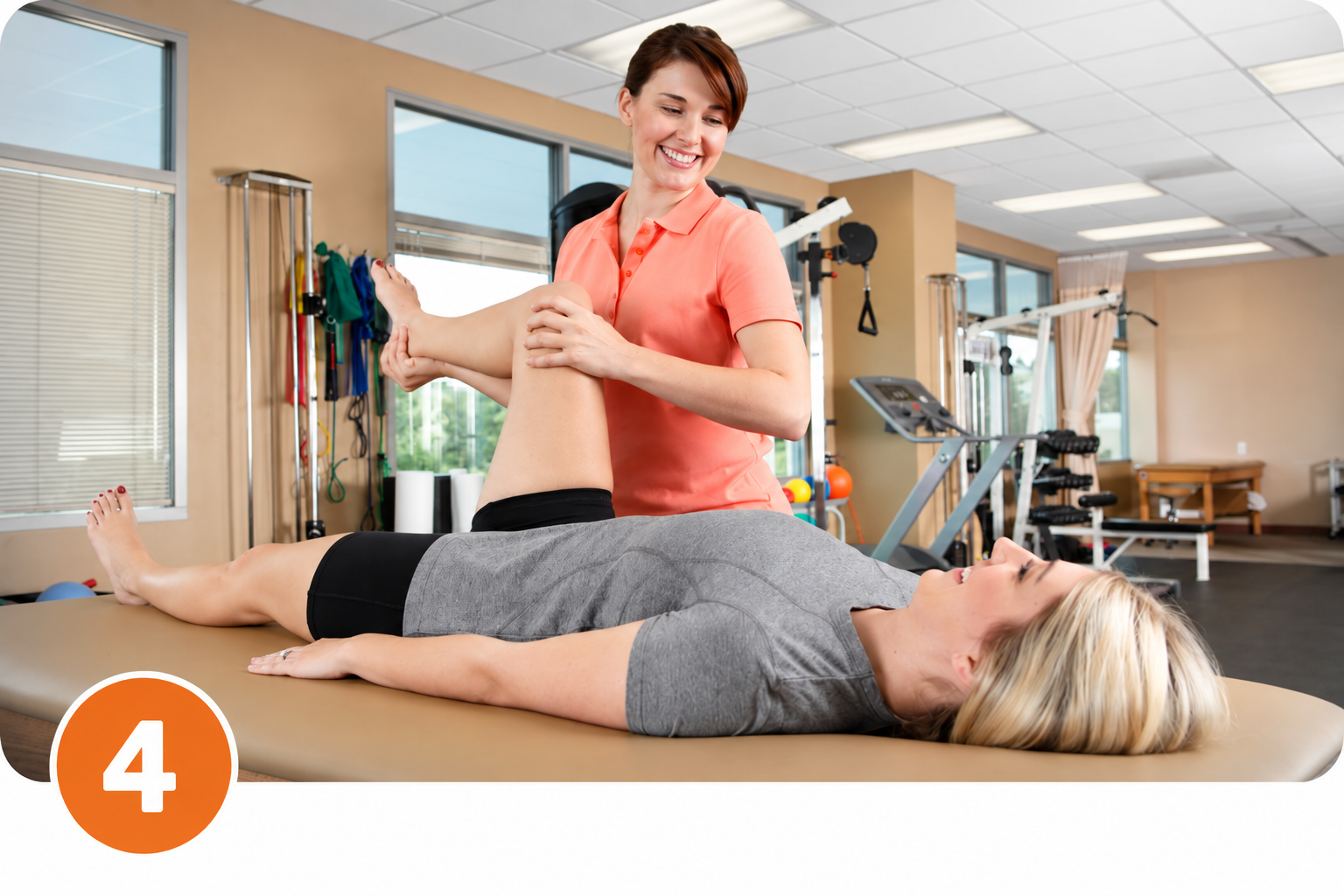
We’ll check your progress periodically and adjust your care as you progress towards recovery.
Ready to Move Forward?
Our team is here to help you move better, feel stronger, and get back to doing what you love.