Muscle Sprains & Strains
SPRAIN & STRAIN TREATMENT IN CHICAGO
What Is a Sprain?
A sprain happens when a ligament is stretched or torn.
Ligaments are strong bands of tissue that connect bones and help keep your joints stable.Sprains often happen when a joint twists, bends, or moves beyond its normal range.
You might sprain your ankle while walking on uneven ground, injure your wrist during a fall, or twist your knee while lifting something heavy at work.Common symptoms include pain, swelling, bruising, and difficulty moving or putting weight on the injured joint.

Common Sprains and Strains We Evaluate
Sprains and strains can affect different areas of the body depending on the type of injury, movement involved, and tissues affected.

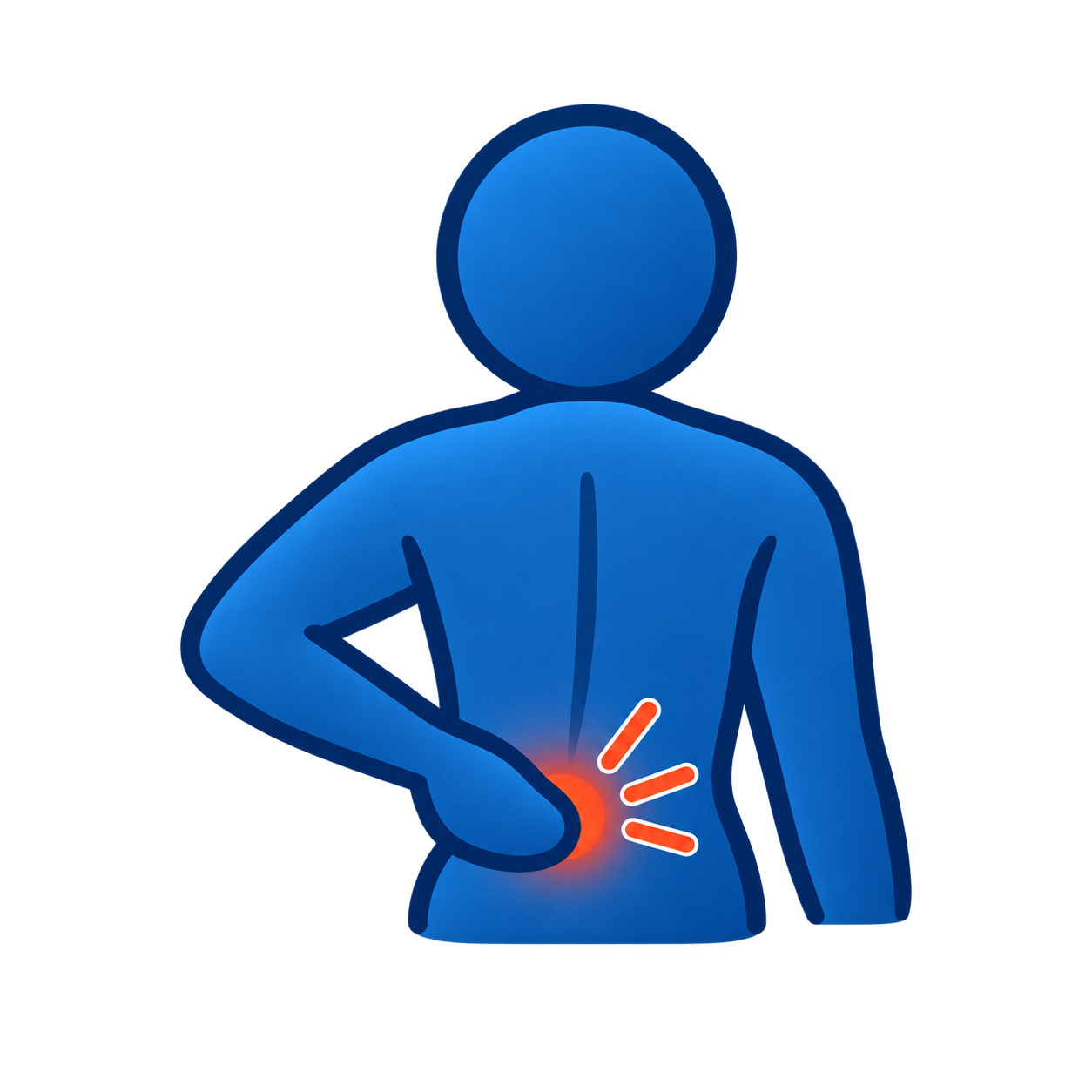
Back Strains
Common after heavy lifting, repetitive bending, or sudden movements that overstretch the back muscles.
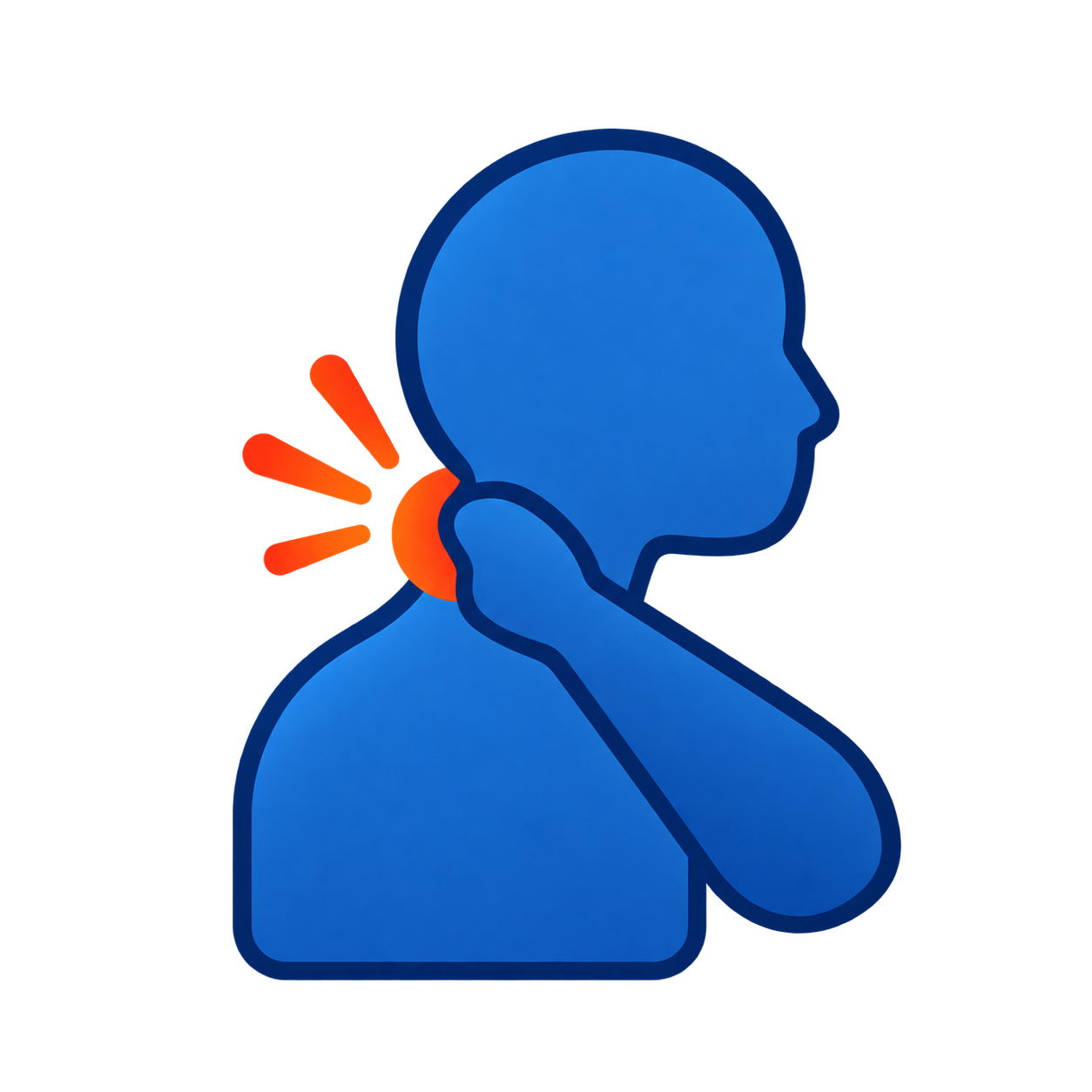
Neck Strains
Common after car accidents, sudden neck movements, or prolonged physical strain that overstretches the neck muscles.
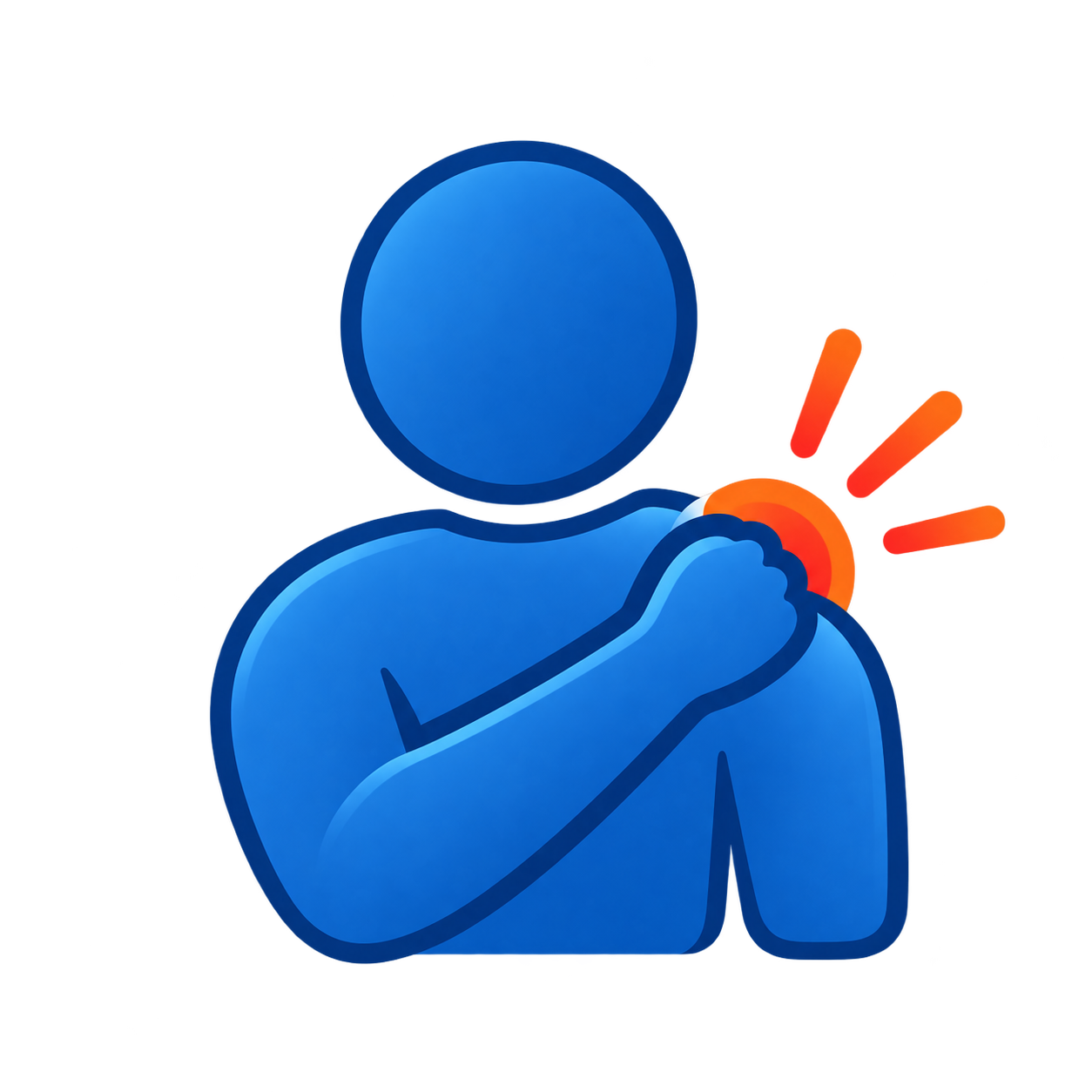
Shoulder Strains
May occur from repetitive overhead work, lifting heavy objects, or overusing the shoulder muscles.
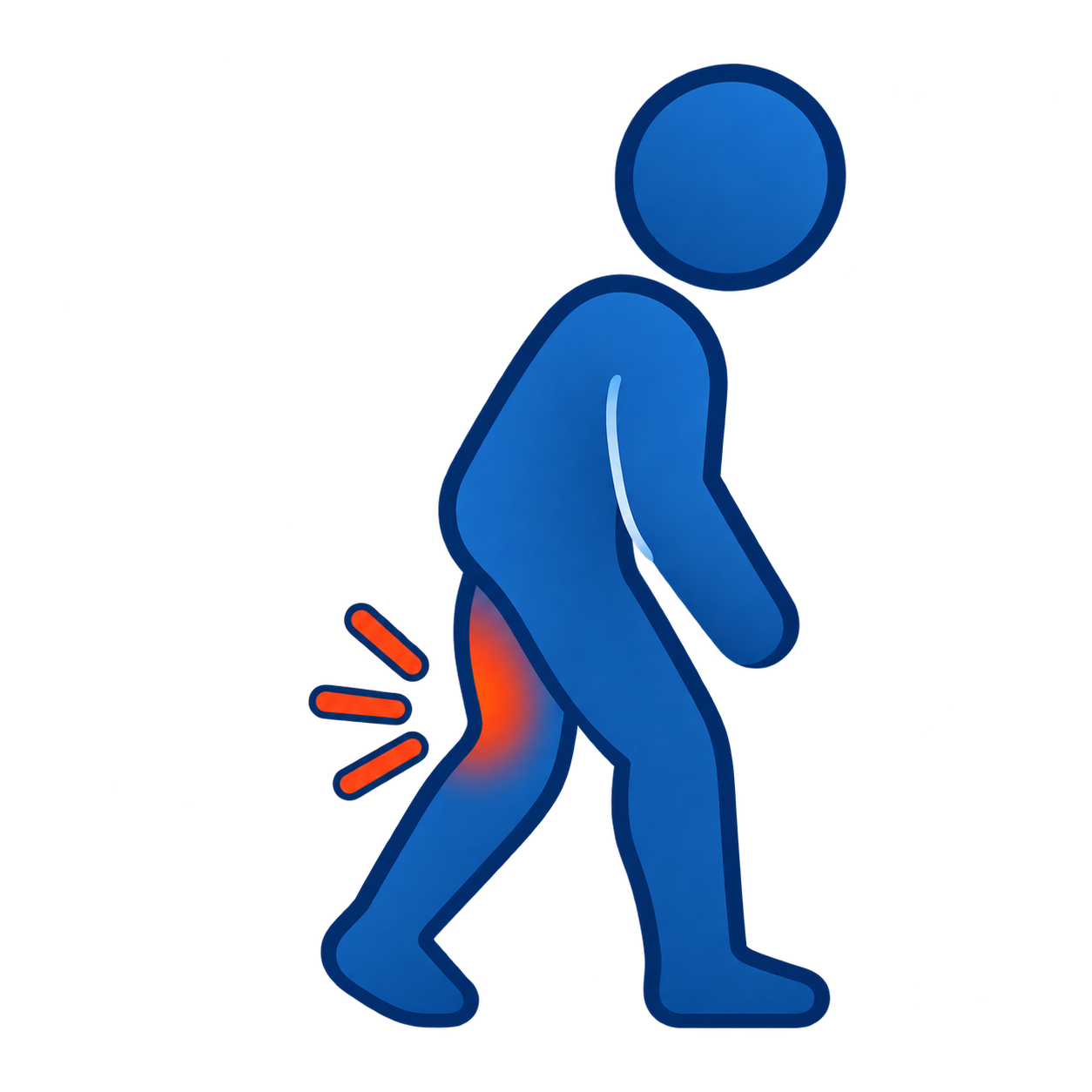
Hamstring Strains
Often after sudden acceleration, running, or overstretching that put excessive strain on the muscles in the back of the thigh.
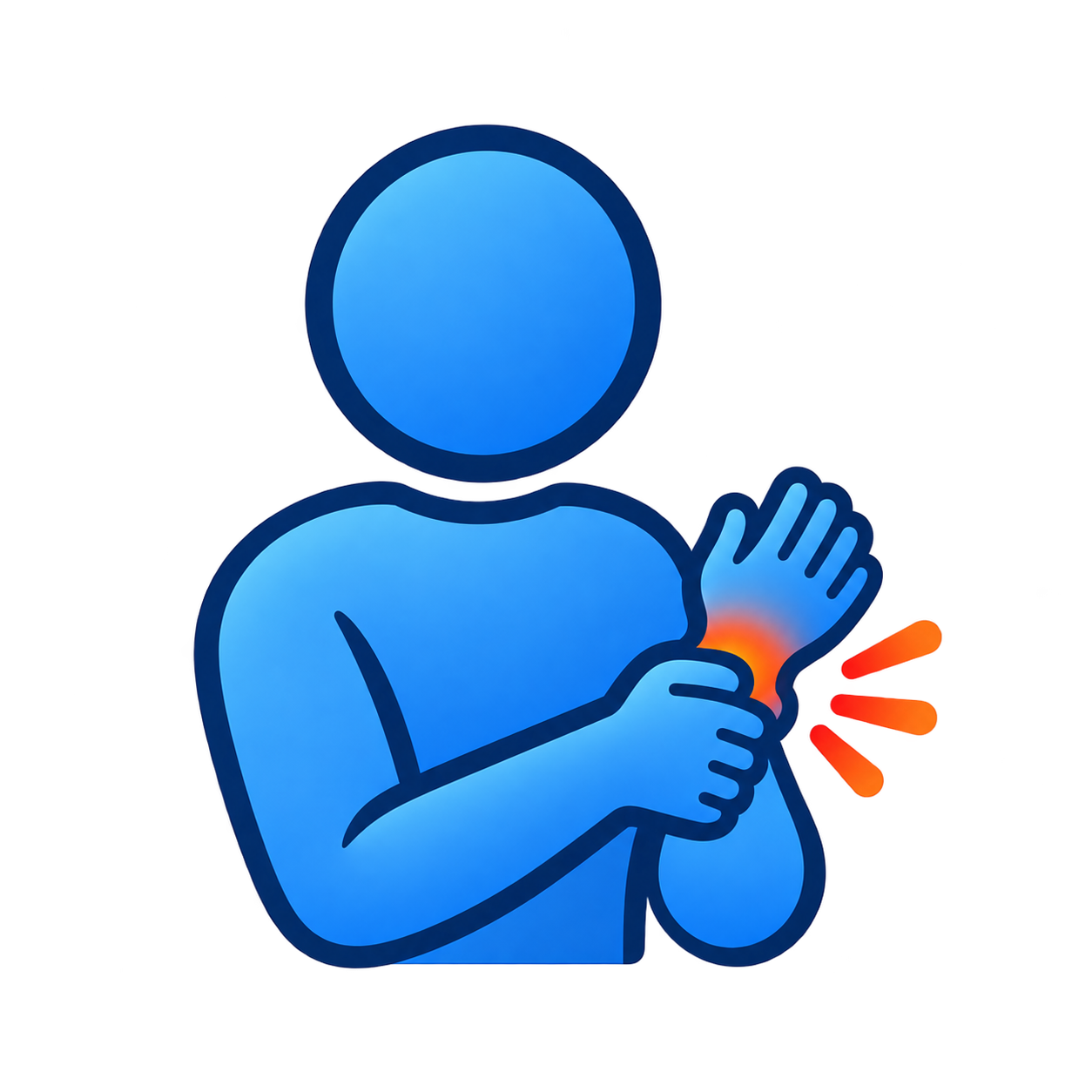
Wrist Sprains
Can happen when you try to break a fall with your hand or experience a sudden impact.
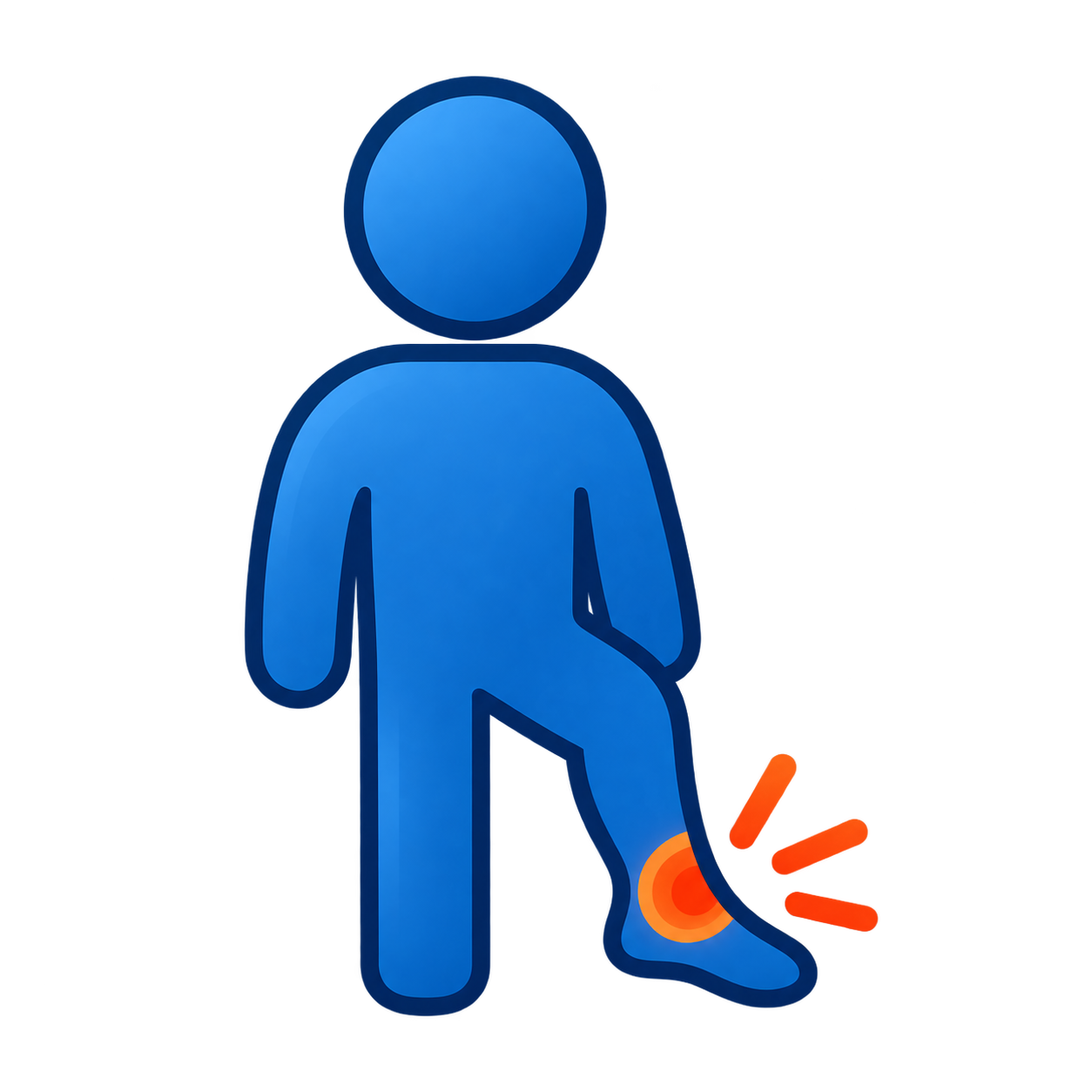
Ankle Sprains
Often caused by twisting or rolling the ankle while walking, running, or stepping on uneven ground.
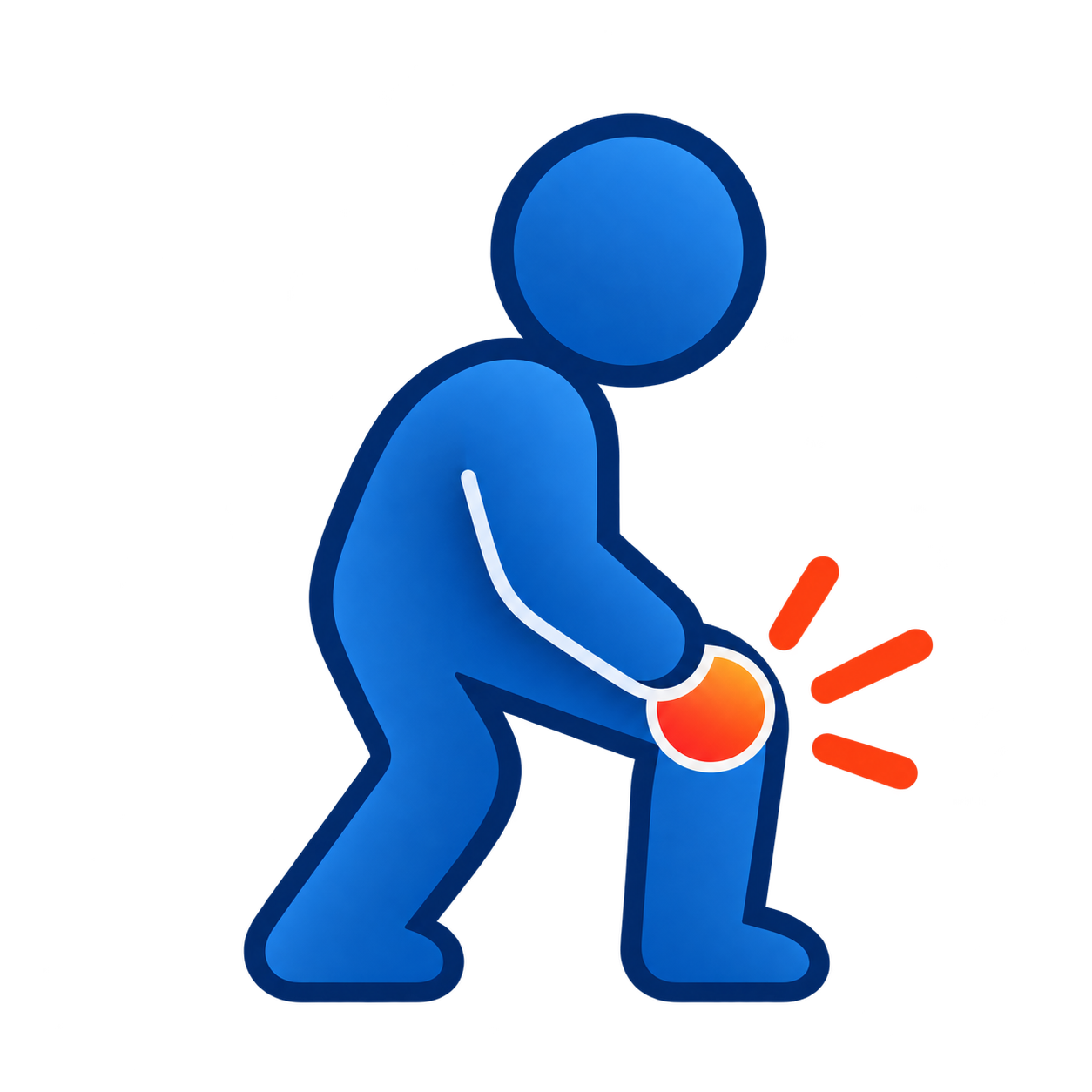
Knee Sprains
Often caused by sudden twisting, falls, or workplace accidents that put stress on the knee ligaments.
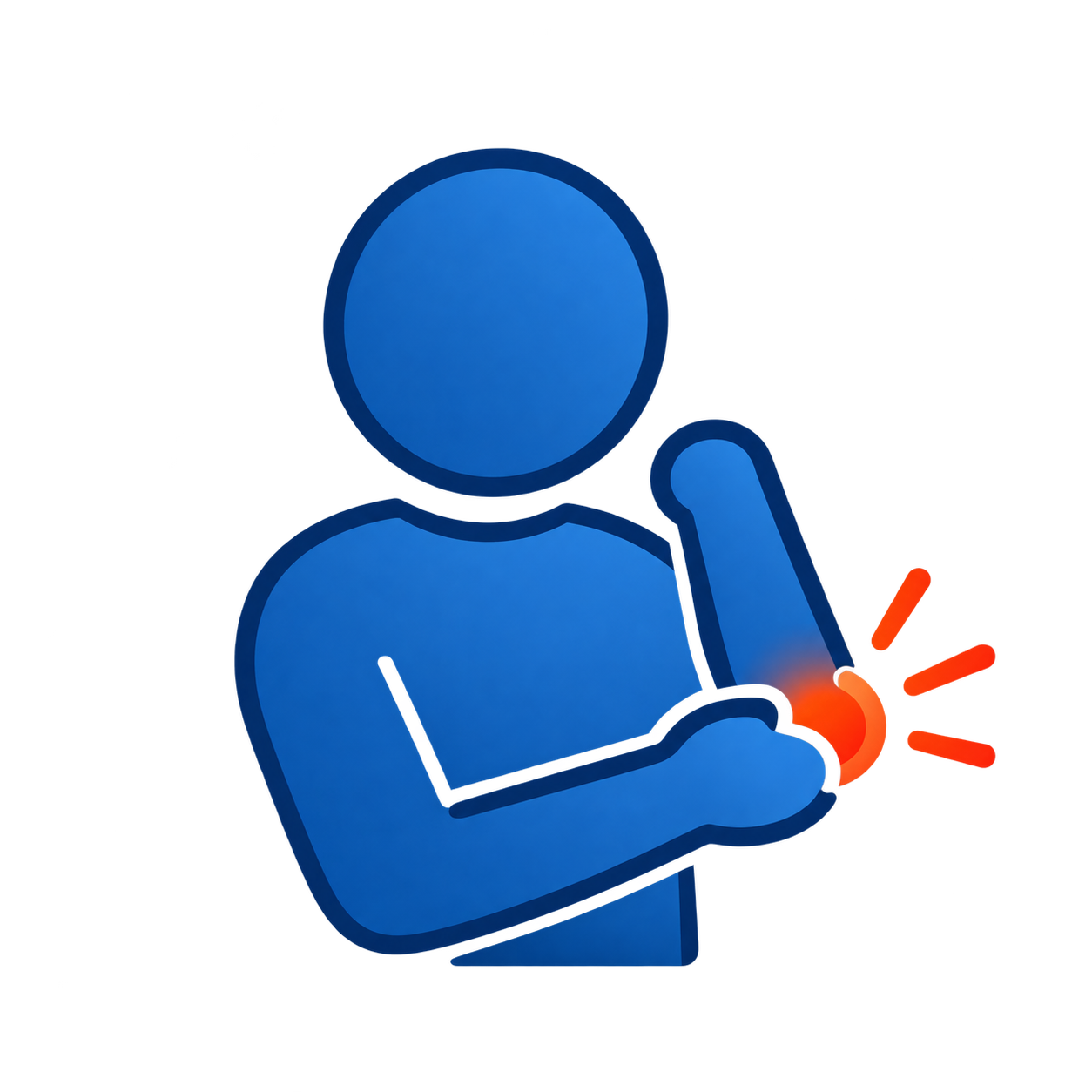
Elbow Strains
Often caused by repetitive lifting, or overuse during physically demanding work or sports

Why Early Evaluation Matters
DON’T IGNORE PERSISTENT SOFT-TISSUE PAIN
Sprains and strains can range from mild irritation to more significant injuries that affect strength, mobility, and function.
If pain, weakness, swelling, or limited movement continues, an evaluation can help determine the extent of the injury and what type of care may be appropriate.
Early care may help:
- Identify the source of your pain
- Evaluate muscle, tendon, or ligament involvement
- Reduce pain and inflammation
- Improve mobility and flexibility
- Restore strength and function
- Address recurring weakness or instability
- Support a safe return to work and normal activity
Symptoms and Causes
What are sprain symptoms?
We assess a wide range of symptoms related to sprains and strains, including:
- Pain or tenderness
- Swelling or inflammation
- Muscle tightness or spasms
- Reduced range of motion
- Pain with lifting or movement
- Pain when walking or standing
- Difficulty bending, reaching, or twisting
- Pain after an auto accident or work injury
Frequently Asked Questions
What is the difference between a sprain and a strain?
A sprain involves ligaments, which connect bones to one another around a joint.
A strain involves muscles or tendons, which connect muscles to bones.
Both can cause pain, swelling, weakness, and limited movement.
What causes sprains and strains?
These injuries can happen because of:
- Slips and falls
- Lifting
- Sudden twisting
- Repetitive movement
- Workplace accidents
- Auto accidents
- Sports or exercise
- Overuse
- Direct impact
When should I see a doctor for a sprain or strain?
Consider getting evaluated when pain is persistent, worsening, limiting your movement, or making it difficult to work or perform normal activities.
Evaluation may also be appropriate after a significant fall, workplace accident, or motor vehicle collision.
Can a sprain or strain heal incorrectly?
Some injuries can lead to ongoing weakness, stiffness, limited motion, or recurring symptoms when they do not recover fully.
Persistent symptoms may require additional evaluation or rehabilitation.
What treatments are available?
Care depends on the type and severity of the injury.
La Clínica provides physical therapy and diagnostic services in-house. When additional orthopedic, pain-management, surgical, or other specialist care is necessary, specialists may be brought in or accessed through established relationships.
How long does recovery take?
Recovery time varies based on the tissue injured, severity of the injury, how long symptoms have been present, and your activity demands.
Your care team can help you understand your progress and what may be needed before returning to work or normal activities.
Inspiring Patient Stories
Real People. Real Progress.


Ready to Move Forward?
If a sprain or strain is affecting your ability to work, move, sleep, or stay active, start with an evaluation and learn what your next steps may be.